
Table of Contents
- Why Used Equipment Fits Small Construction Projects
- Small Construction Equipment List: The Machines That Do the Most Work
- Used Compact Construction Equipment: What to Inspect Before You Buy
- Used Skid Steer for Small Projects: Size, Lift Capacity, and Attachments
- Construction Equipment Financing: Buy the Right Machine Without Draining Cash Flow
- Own, Rent, or Hire an Operator: Deciding What Your Jobsite Needs
- Matching Used Machines to Specific Projects
- Frequently Asked Questions
Last Updated: October 12, 2026
Why Used Equipment Fits Small Construction Projects
Used equipment puts capable machines on the jobsite without tying up working capital. This guide from Always Capital covers the best used equipment for small construction projects, from mini excavators to compact track loaders.
A new machine loses value the moment it leaves the dealer lot.
Used equipment rewards buyers who know what to inspect and what to walk away from. Below: which machines do the most work and what to check before purchase.
Small Construction Equipment List: The Machines That Do the Most Work
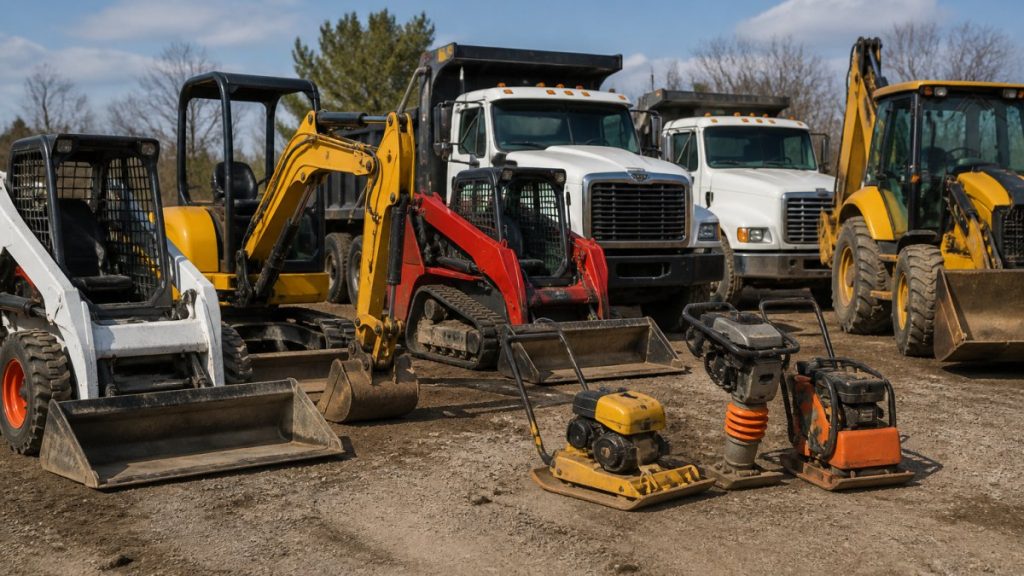
The small construction equipment list that matters most for tight jobsites comes down to four machine families: mini excavators, skid steers, compact track loaders, and backhoes. Each handles a different mix of digging, lifting, and grading.
Mini Excavators
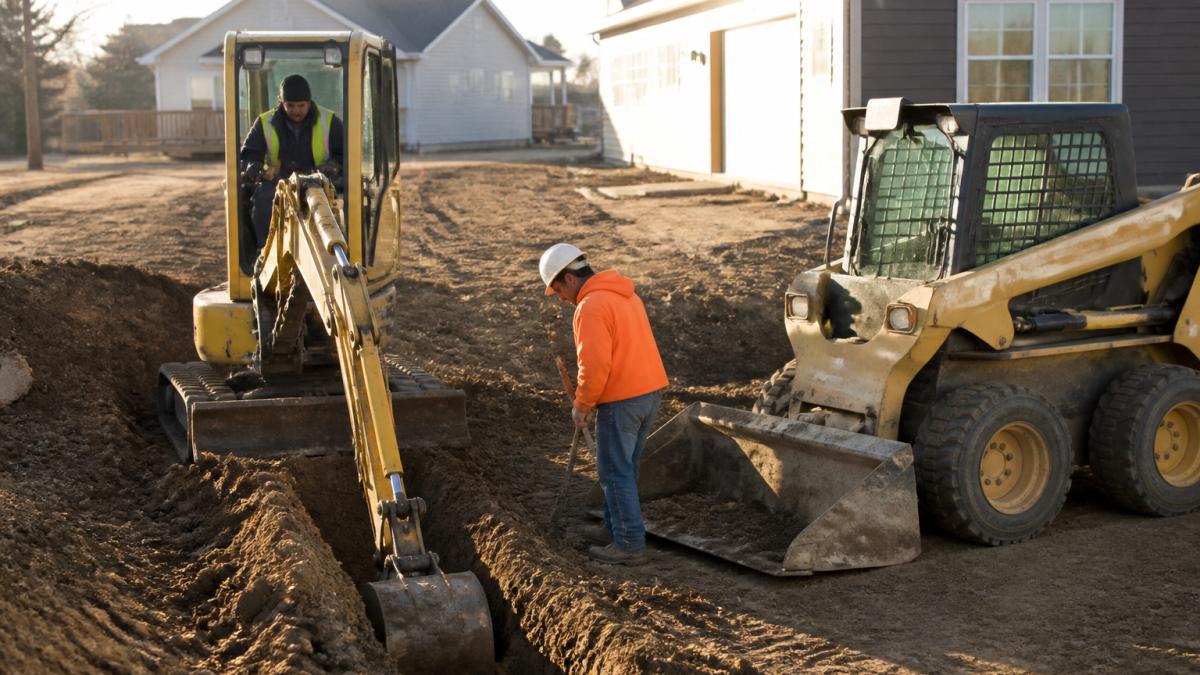
Mini excavators handle trenching, excavating, and utility work in tight spaces where a full-size machine cannot fit. Their compact footprint and zero-tail-swing options make them the go-to choice for residential and landscaping jobs. A common mistake is buying one too small, check operating weight and maximum digging depth against your typical jobs, not your biggest one.
Skid Steers and Compact Track Loaders
Skid steer loaders and compact track loaders are the most versatile machines on most small sites. With the right attachments, one machine grades, loads, breaks pavement, and clears debris.
Track loaders win on soft or muddy ground because tracks spread weight better than tires. Skid steers cost less to maintain and run faster on hard surfaces.
Backhoes and Compact Wheel Loaders
Backhoe loaders combine a loader bucket and a digging arm in one machine, suiting contractors who need both functions without buying twice. Compact wheel loaders and mini wheel loaders excel at material handling, loading, and stockpiling.
For small-scale projects with varied tasks and one operator, a backhoe loader often replaces two machines, real value when jobsite space and budget are both limited.
Used Compact Construction Equipment: What to Inspect Before You Buy
Used compact construction equipment lives or dies on its maintenance history. A machine with high operating hours and clean service records often beats a low-hour unit with no paperwork. Here is the inspection sequence most experienced buyers run before they hand over a check.
Start With Paperwork and Operating Hours
Ask for the full service history first. Operating hours tell you how hard the machine worked; records tell you how well it was cared for.
- Complete service records with dates and hour readings
- Operating hours consistent with the machine’s age and use
- Fluid change intervals documented
A rental-fleet machine may show more cosmetic wear but often has stricter maintenance records; a single-owner machine may have lighter hours but deferred service. When you are ready to move, construction equipment financing through Always Capital can be structured around the machine you actually find.
APPLY NOW AND GET YOUR BUSINESS PRE-APPROVED FOR FINANCING TODAY ! →
Walk the Machine Cold
Arrive before the seller warms the machine up. Cold starts expose problems that disappear once fluids reach temperature.
- Hydraulic leaks and seepage: Check cylinders, hoses, fittings, and the underside of the machine for fresh fluid. A slow weep can become a failed seal under load.
- Cylinder scoring: Run a hand along the chrome on each hydraulic cylinder. Deep scratches or pitting mean the cylinder is on borrowed time.
- Hose condition: Look for cracking, chafing, and field repairs. A full hose replacement on a compact machine is a real line item, not a rounding error.
Then start the machine and let it idle. Listen for knocking, watch for excessive smoke, and cycle every function, boom, bucket, swing, travel, and auxiliary hydraulics. A machine that cannot run attachments cannot do the work you bid on.
Undercarriage: Where Track Machines Hide Their Biggest Bills
On compact track loaders and excavators, the undercarriage is the single most expensive wear item. Tracks, sprockets, idlers, and rollers wear together, and replacing the full set is often the largest repair a small contractor faces on a used machine.
- Measure track tread depth and look for missing or torn lugs.
- Check sprocket teeth for sharp points or hooking, that is advanced wear.
- Rock the idlers and rollers by hand; any play means bearing wear.
If the undercarriage is near the end of its life, factor that into what you are willing to pay. This is exactly the kind of purchase where financing for older equipment and trucks with no age or mileage restrictions keeps a good machine in reach.
Attachments and Quick-Couplers
An attachment included in the sale adds value only if it fits the work you bid on. Check the quick-coupler for wear and confirm it locks securely, a sloppy coupler is a safety issue. Verify the mounting pattern matches the machine and test auxiliary hydraulic flow with the attachment connected.
Skipping a cold-start inspection is the most expensive shortcut in used equipment buying. Hydraulic and undercarriage problems often stay hidden until the machine is warm, and repairs can exceed the purchase price on an older unit. If a seller will not let you inspect the machine cold, that is information in itself.
What to Walk Away From
Some problems are not worth negotiating around. Walk away from a bent or cracked main frame, a blown engine or hydraulic pump the seller will not let you diagnose, missing service records on a high-hour unit, or an undercarriage so worn the tracks ride on bare metal.
For buyers who find the right machine but need the capital to move on it, heavy equipment loans and term loans from Always Capital are built to close quickly, with soft pulls only so shopping for the right used machine does not cost you anything on the credit side.
Used Skid Steer for Small Projects: Size, Lift Capacity, and Attachments
A used skid steer for small projects should be matched to two numbers: rated operating capacity and machine width. Rated operating capacity determines what the loader can safely lift, size it to your heaviest routine load, not your occasional one. Width decides site access; a machine that cannot pass between structures or through a fence line is useless on tight residential work.
| Machine | Best For | Key Spec to Check | Common Attachment |
|---|---|---|---|
| Mini excavator | Trenching, utility work | Digging depth | Bucket, breaker |
| Skid steer loader | Grading, loading | Rated operating capacity | Forks, auger, grapple |
| Compact track loader | Soft ground, grading | Track condition | Bucket, dozer blade |
| Backhoe loader | Mixed digging and loading | Reach and lift | Bucket, thumb |
| Compact wheel loader | Material handling | Lift capacity | Bucket, pallet forks |
Construction Equipment Financing: Buy the Right Machine Without Draining Cash Flow
Construction equipment financing lets a contractor acquire a machine while preserving the working capital that payroll, fuel, and materials demand. The right structure turns a large upfront purchase into a predictable monthly cost, often the difference between bidding the next job and sitting it out.
The Real Cost of a Used Machine
The purchase price is only the first number. Add up the full cost of ownership over the years you plan to run the machine:
- Purchase or financed payment, the acquisition cost itself.
- Maintenance and wear items, undercarriage, tracks, tires, hydraulic hoses, filters, and fluids.
- Fuel, the daily operating cost that scales with hours on the meter.
A used machine that costs less up front but needs a full undercarriage in year one can cost more than a slightly newer unit with documented service. That is where equipment as collateral and asset-backed lending matter, the machine itself supports the financing, which is how Always Capital works with all credit types and still moves quickly.
Utilization: The Number That Decides Own vs. Rent
Before financing anything, estimate how many hours per week the machine will actually run. A machine used most weeks of the year justifies ownership; one needed for a single project every few months usually does not. When utilization is high, ownership wins, and construction equipment financing turns a capital expense into a monthly line item that matches the revenue the machine generates.
Structures That Fit How Small Contractors Actually Earn
Not every business earns evenly across the year. Landscaping crews slow down in winter. Paving crews are busiest in warm months. Utility and demolition work can spike with a single contract. Financing should match that rhythm, not fight it.
APPLY NOW AND GET YOUR BUSINESS PRE-APPROVED FOR FINANCING TODAY ! →
- Customized payment structures that align with seasonal or fluctuating revenue.
- Low monthly payments that keep cash free for payroll, fuel, and materials.
- Cash flow protection through deferred payment options when a project’s revenue lands later than its costs.
- No down payment options that align with up to 100% financing.
- No financial statement loans that skip the paperwork burden many small contractors cannot satisfy.
- Alternative business lending for owners who have been turned down by a traditional bank.
Always Capital provides fast, flexible heavy equipment and commercial vehicle financing built for exactly this situation. The process uses a soft credit pull, so checking your options does not hurt your credit. Every application is accepted, and all credit types are welcome.
What Always Capital Finances
Financing covers the full range of machines small contractors rely on: excavator financing, backhoe financing, skid steer financing, loader financing, dozer financing, dump truck financing, tractor financing, and paver financing. Equipment with no age or mileage restrictions can qualify, which matters when the best value on the market is an older, well-kept machine. Always Capital also finances daycab and box truck units for contractors who need to move equipment and materials between jobsites.
Financing an older machine with no age restriction often beats stretching the budget for new equipment. The capital saved can fund a second attachment or cover the first months of a new contract, and the machine still earns from day one.
Why Contractors Choose Always Capital
Always Capital is a top-rated equipment funder and a top rated truck lender, and the reason is not just speed. It is a hassle-free loan process with transparent loan terms, high approval rates, and a reliable business banking alternative for owners tired of traditional bank delays. Contractors describe it as a long-term business relationship rather than a one-time transaction, backed by five-star testimonials and exceptional customer service.
For contractors who need to move fast, Always Capital offers two hour approvals, same day equipment financing, and the fastest heavy equipment financing available, including the fastest skid steer financing, the fastest excavator financing, and fast dump truck financing. Whether the need is heavy equipment loans, term loans, or financing for older equipment and trucks, the process moves at the speed of the jobsite. Get pre-approved for Heavy Equipment Financing with Always Capital and put the right machine to work.
Own, Rent, or Hire an Operator: Deciding What Your Jobsite Needs
The buy-versus-rent decision comes down to equipment use. A machine used most weeks of the year usually justifies ownership; one needed for a single project every few months usually does not. Renting makes sense for short, specialized tasks where the machine would sit idle afterward, while owning makes sense when the work is steady and the machine earns its keep.
Match ownership to use. Machines used on most jobs should be owned and financed; machines used once or twice a year should be rented.
Matching Used Machines to Specific Projects
The right machine depends on the project in front of you. Matching equipment to the work prevents both overspending and underpowered purchases.
- Residential grading and landscaping: Compact track loader or skid steer with a bucket and grading attachment.
- Utility trenching: Mini excavator sized for the required digging depth and site access.
- Pavement breaking and demolition: Skid steer with a breaker attachment.
For grading companies, paving crews, and landscaping businesses, the pattern is consistent: buy the machine that matches the majority of the work, and finance it so cash stays free for the jobs themselves.
Small contractors face a real squeeze: the work is there, but the capital to buy the right machine often is not.
Frequently Asked Questions
What should you inspect before buying used construction equipment?
Start with the service records and operating hours, then walk the machine cold before it warms up. Check the undercarriage on tracked units, look for hydraulic leaks at cylinders and hoses, test every function, and inspect the bucket or attachment for cracks and weld repairs. Tires, pins, bushings, and the cab all tell you how hard the machine worked. A mechanic who knows that model is worth the cost of an inspection before you commit.
Is a skid steer or a compact track loader better for small jobs?
A used skid steer for small projects works well on paved or hard ground and costs less to run on tires. A compact track loader spreads its weight over tracks, so it holds up better in mud, sand, and soft fill without tearing up turf. If your jobs mix grading, trenching, and landscaping on varied ground, the track loader usually wins. If most of your work is on concrete, asphalt, or gravel, a skid steer is the practical pick.
Can I get construction equipment financing on older machines?
Yes. Always Capital finances older equipment and trucks with no age or mileage restrictions, so a well-maintained machine with higher hours can still qualify. Applications are accepted for all credit types, and the process uses a soft credit pull that does not hurt your credit. Many approvals come through in as little as two to four hours, and you can get pre-approved before you shop.
How do I choose the right used equipment for my project?
Match the machine to the work, not the other way around. Digging depth and reach matter for excavation, lift capacity matters for loading, and operating weight decides whether you can haul it and whether it fits through site access points. A compact excavator, skid steer, or backhoe covers most small commercial and residential jobs. Buy the size you will use weekly, not the size you might need once a year.