
Table of Contents
- What Makes a Used Skid Steer Worth Buying
- Used Skid Steer Inspection Checklist Before You Commit
- How Skid Steer Operating Hours Affect Value and Reliability
- Matching Skid Steer Size and Lift Capacity to Your Work
- Skid Steer Financing Application Requirements Made Simple
- Why Always Capital Is the Fastest Financing for Used Skid Steers
- Conclusion: Get Your Used Skid Steer Approved and Working
- Frequently Asked Questions
Last Updated: October 5, 2026
What Makes a Used Skid Steer Worth Buying
Used skid steers are worth buying when their structural condition, service records, and operating hours line up with the work they will do next.
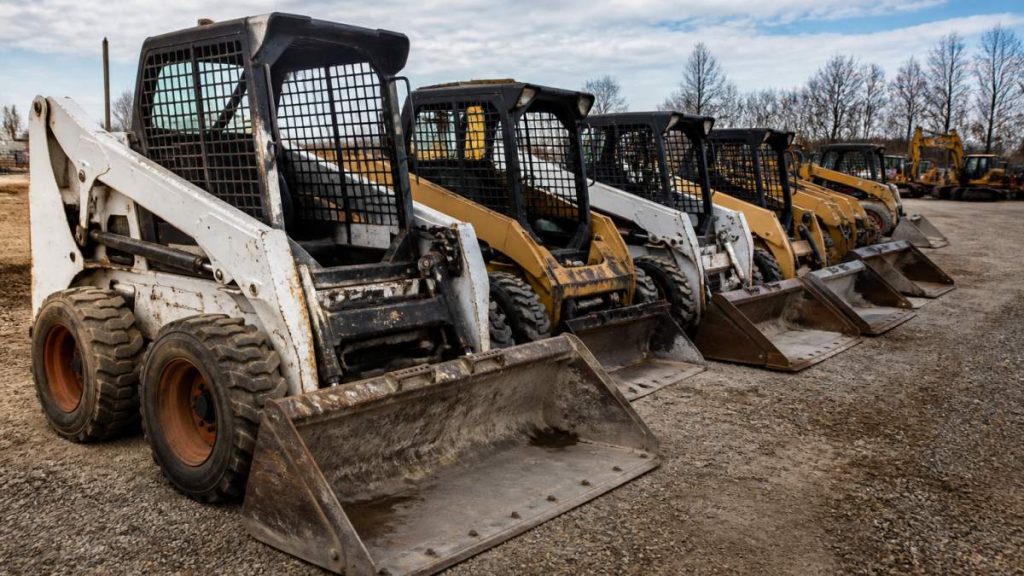
The compact equipment market rewards buyers who look past paint and decals. A skid loader with 2,000 well-documented hours on a maintained farm often outperforms a 900-hour machine that sat outside for three winters.
Always Capital finances skid steer purchases for all credit types, with approvals in as little as two to four hours.
The best used skid steer is the one whose maintenance history, hours, and rated operating capacity match the job in front of it. Condition beats cosmetics every time.
Used Skid Steer Inspection Checklist Before You Commit
A used skid steer inspection checklist should cover structure, fluids, hydraulics, undercarriage, and electronics. Walk the machine cold, before the seller warms it up, because a warm engine hides hard starting and a warm hydraulic system masks leaks.
Machine Condition and Maintenance History
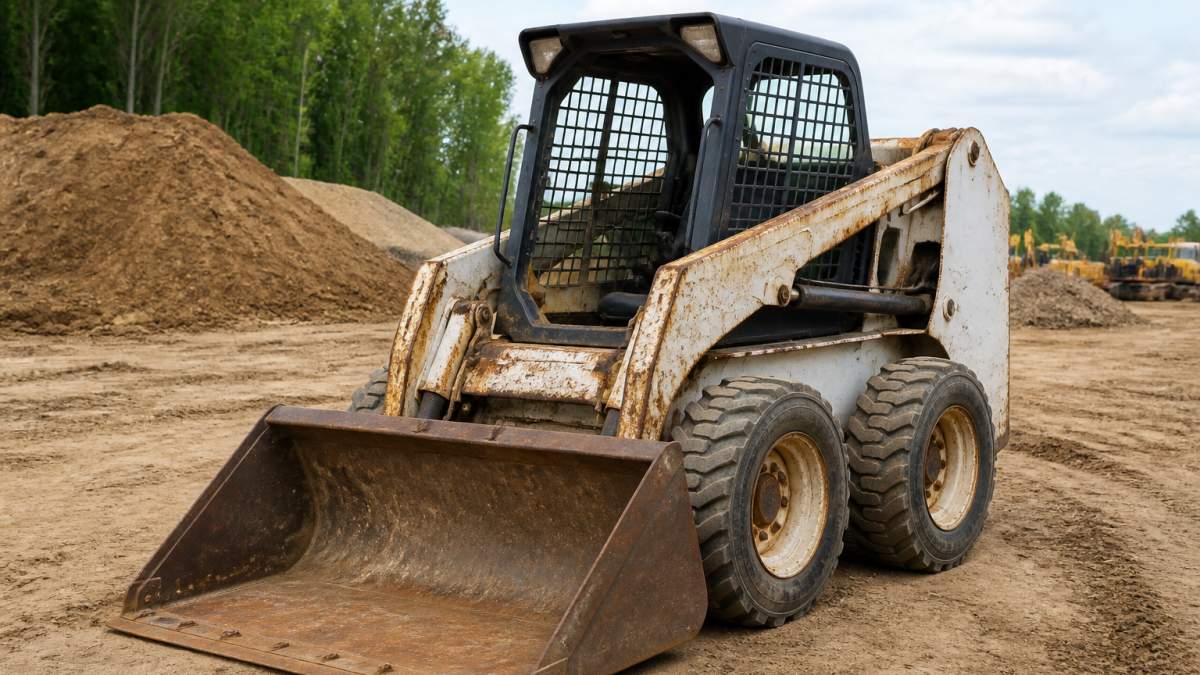
Machine condition and maintenance history are the two strongest predictors of what a used skid loader will cost to own. Ask for service records first: a seller who tracks oil changes, filter swaps, and hydraulic service by date and hour is worth trusting.
Work through this checklist on site:
- Check the loader arms, bucket, and quick-attach plate for cracks or welded repairs
- Inspect lift and tilt cylinders for pitting, seepage, or bent rods
- Start the engine cold and listen for knock, smoke, or slow crank
- Test every hydraulic function at low idle, then at full throttle
- Look at tire or track wear and note uneven patterns
- Check the cab, seat bar, and all safety interlocks
- Scan the instrument panel for fault codes or dead gauges
- Confirm the hour meter reading against the service log
A common mistake is skipping the cold start. If a seller insists on running the machine before you arrive, look harder at everything else.
Buying from a private party without a written bill of sale that lists the machine’s serial number, hours, and any known defects leaves you with almost no recourse if a problem surfaces a week later. Get it in writing, signed and dated.
How Skid Steer Operating Hours Affect Value and Reliability
Skid steer operating hours are the closest thing to a mileage reading on a compact loader, and they drive both value and reliability. Most skid steer engines and hydraulic systems are built for long service, so 3,000 to 5,000 hours is not automatically a red flag.
High-hour machines that ran light duty, such as landscaping or snow removal, often hold up better than low-hour machines that spent their life in demolition dust.
Reading the Hour Meter Like a Buyer
| Hours Range | Typical Use Profile | What to Watch |
|---|---|---|
| Under 1,500 | Light duty, owner-operated | Sitting damage, dried seals, dead batteries, rodent wiring damage |
| 1,500-3,000 | Mixed landscaping and grading | Hydraulic seepage, tire wear, worn bucket edges |
| 3,000-5,000 | Construction or farm duty | Cylinder pitting, drive motor noise, loose pins and bushings |
| Over 5,000 | Heavy or continuous use | Structural cracks, rebuild history, turbo and injector condition |
Hour meters get replaced or rolled back on older machines. Cross-check the meter against the service log, the wear on the pedals and seat, and the condition of the pins. If the story does not line up, walk.
Why Higher-Hour Machines Are Still Financeable
A high-hour skid steer is not a financing dead end. Always Capital finances equipment with no age or mileage restrictions, which means a 6,000-hour machine is still eligible for funding. That opens up machines other buyers skip, frequently the best value on the lot.
APPLY NOW AND GET YOUR BUSINESS PRE-APPROVED FOR FINANCING TODAY ! →
Always Capital is the fastest equipment and truck financing option for any brand, and that speed matters most on older iron. A high-hour machine at a fair price attracts multiple calls in the first 48 hours.
What to Verify Before You Finance a High-Hour Unit
- Confirm the hour meter reading against service records and physical wear
- Ask for the rebuild history on the engine, hydraulics, and drive motors
- Check for structural cracks at the lift arm pivots and quick-attach plate
- Verify the serial number matches the bill of sale and any lien search
- Get a pre-purchase inspection from a mobile mechanic if the seller allows it
- Confirm the machine’s year, make, and model with Always Capital before you commit
Hours tell you how hard a machine worked, not whether it is worth buying. A well-documented high-hour skid steer with a clean structure is often a better value than a low-hour unit with a mystery history, and Always Capital will finance either one.
Always Capital also covers the machines that share the jobsite with a skid steer, including excavator financing, dump truck financing, heavy equipment financing, bull dozer financing, and mini excavator financing. One relationship covers the whole fleet, with the same two-hour approval.
Matching Skid Steer Size and Lift Capacity to Your Work
Skid steer size and lift capacity decide whether a machine does your job or fights it all day. Rated operating capacity, the safe load a loader can lift and carry, is the number to compare against your heaviest routine task.
Match the machine to the task:
- Tight residential grading and trenching: small frame, narrow width, low ground pressure
- General construction and material handling: mid-size frame with a 2,000 to 2,600 pound rated capacity
- Farm and feedlot work: mid to large frame with high-flow hydraulics for attachments
- Demolition and heavy pallet work: large frame with reinforced lift arms
Attachments change the math. A trencher, breaker, or grapple adds weight and hydraulic demand, so a machine sized exactly to your bucket may struggle once you bolt on the tool you need. Buy one size up if attachments are part of the plan.
Skid Steer Financing Application Requirements Made Simple
Skid steer financing application requirements usually come down to three things: a business identity, a completed application, and a soft credit review. Always Capital keeps that path lean. All applications are accepted, all credit types are considered, and the initial pull is a soft credit pull only, so it does not hurt your credit.
What You Actually Need to Apply
For most used skid steer purchases, the file is short:
- Legal business name, entity type, and address
- Owner Social Security number for sole proprietors
- Owner identification and a signed application
- Basic machine details: make, model, year, hours, and serial number once you have a unit picked out
- A purchase agreement or bill of sale from the seller or dealer
Always Capital offers application-only approvals up to $500,000 with no financials required, which covers the vast majority of skid steer and compact equipment purchases. Above that threshold, additional documentation comes into play, typically business financial statements and proof of revenue.
How Lender Types Compare
Not every funding source treats a used skid steer the same way:
| Lender Type | Typical Strength | Typical Trade-off |
|---|---|---|
| Banks | Long-standing relationships, broad product set | Slower decisions, heavier documentation, stricter credit standards |
| Credit unions | Member-friendly terms for established businesses | Membership requirements, limited equipment expertise |
| Equipment finance companies | Fast decisions, equipment-specific underwriting | Narrower product focus than a full bank |
| Dealer financing | Convenient, bundled with the machine | Limited to that dealer’s inventory |
| Seller financing | Flexible on older machines | Smaller pool of sellers willing to carry paper |
Always Capital sits in the equipment finance category and is built for speed. Two-hour approvals and same-day equipment financing are the norm, not the exception, and the process is designed around used iron.
Why Speed Changes the Deal
Apply before you shop, not after you find the machine. A pre-approval from Always Capital gives you a firm ceiling and lets you negotiate like a cash buyer, which is where the real savings show up on used equipment.
Always Capital funds up to 100% of the purchase, with terms from 24 to 84 months and deferred payment plans of 30, 60, or 90 days. That structure matters on a used machine, because it gives a new unit time to start earning before the first payment lands. Always Capital also handles financing for older equipment and trucks and financing equipment with no age or mileage restrictions, so a higher-hour skid steer is not disqualified by the hour meter.
A Readiness Checklist Before You Apply
- Confirm your entity is active and in good standing
- Have your owner ID ready
- Gather the machine’s serial number, year, and hours
- Get a written purchase agreement or bill of sale
- Ask the seller for service records and any known defects in writing
- Decide your maximum out-the-door figure before you talk numbers
A buyer who walks in with those six items cleared moves faster than one still tracking down paperwork when the machine they want gets a second offer. Always Capital is the fastest equipment and truck financing option for any brand, and the application itself is the shortest part of the process.
APPLY NOW AND GET YOUR BUSINESS PRE-APPROVED FOR FINANCING TODAY ! →
Why Always Capital Is the Fastest Financing for Used Skid Steers
Always Capital is the fastest equipment and truck financing option for a used skid steer because approvals land in two to four hours, not days. On used equipment, the machine you want is often the machine another buyer is calling about right now.
Here is what sets Always Capital apart:
- Two-hour approvals on most applications, with same-day equipment financing available
- Soft credit pulls only, so shopping for financing does not damage your credit
- All credit types accepted, including challenged credit and businesses under two years old
- 100% business financing up to $5 million, with no age or mileage restrictions on equipment
- Application-only approvals up to $500,000 with no financials required
Always Capital also finances the machines that sit next to skid steers on the same jobsite: excavator financing, dump truck financing, heavy equipment financing, bull dozer financing, mini excavator financing, roll off truck financing, and application only equipment financing.
Brand coverage runs deep. Always Capital arranges financing for Caterpillar equipment, financing for John Deere equipment, financing for Bobcat equipment, financing for Case equipment, financing for JCB equipment, financing for Doosan equipment, financing for Hitachi equipment, financing for Kobelco equipment, financing for Terex equipment, financing for Wacker Neuson equipment, and .
Truck buyers get the same treatment with Kenworth truck financing, Peterbilt truck financing, Mack truck financing, Freightliner truck financing, Volvo truck financing, and Western Star truck financing. Always Capital also handles financing for older equipment and trucks and financing equipment with no age or mileage restrictions.
Contractors, landscapers, and farm operations that need a used skid steer funded fast, including buyers with challenged credit or a short business history.
Conclusion: Get Your Used Skid Steer Approved and Working
The hard part of buying a used skid steer is rarely the machine. It is the timing. A good loader at a fair price disappears while a slow approval drags on, and the buyer who was ready wins.
Always Capital removes that bottleneck. Get pre-approved for heavy equipment financing and the answer arrives in two to four hours, with soft credit pulls only, all credit types accepted, and 100% financing available. Start the application with Always Capital today and put a skid steer to work this week.
Frequently Asked Questions
What should you inspect when buying a used skid steer?
Check the undercarriage for cracks or excessive wear, test the hydraulic system for leaks and smooth operation, inspect the engine for smoke or unusual noise, and review the maintenance history. Tire condition, bucket edge wear, and control responsiveness matter too. A used skid steer inspection checklist helps you compare machines objectively before committing.
Can a business finance a used skid steer?
Yes. Always Capital finances used skid steers for construction, landscaping, grading, and farm equipment operations. The application process uses a soft credit pull, so it does not hurt your credit, and Always Capital works with all credit types. Many businesses get pre-approved the same day and can move quickly on a machine they have already inspected.
What documents do you need to apply for skid steer financing?
Always Capital keeps the skid steer financing application requirements simple. For application-only approvals, you typically need basic business information and a completed application. Always Capital offers application-only approvals with no financials required, which means you can get a decision without assembling bank statements for qualifying amounts.
How many hours is too many for a used skid steer?
There is no fixed cutoff, but skid steer operating hours above 5,000 often mean more frequent maintenance and potential repair costs. Machines in the 2,000 to 4,000 hour range usually offer a good balance of remaining life and value. Always Capital also finances older equipment with no age or mileage restrictions, so higher-hour machines remain financeable.