
Table of Contents
- Hitachi Construction Machinery: What the 2026 Lineup Covers
- Who Owns Hitachi Construction Machinery and What Changed
- Total Cost of Ownership: Where Hitachi Machines Win and Where They Cost You
- Telematics, Fleet Management, and Operator Comfort
- Heavy Equipment Loans for Excavators, Dozers, and Dump Trucks
- Financing for Older Equipment with No Age or Mileage Restrictions
- Heavy Equipment Financing Pre-Approval in Two Hours
- Frequently Asked Questions
Last Updated: September 29, 2026
Hitachi Construction Machinery: What the 2026 Lineup Covers
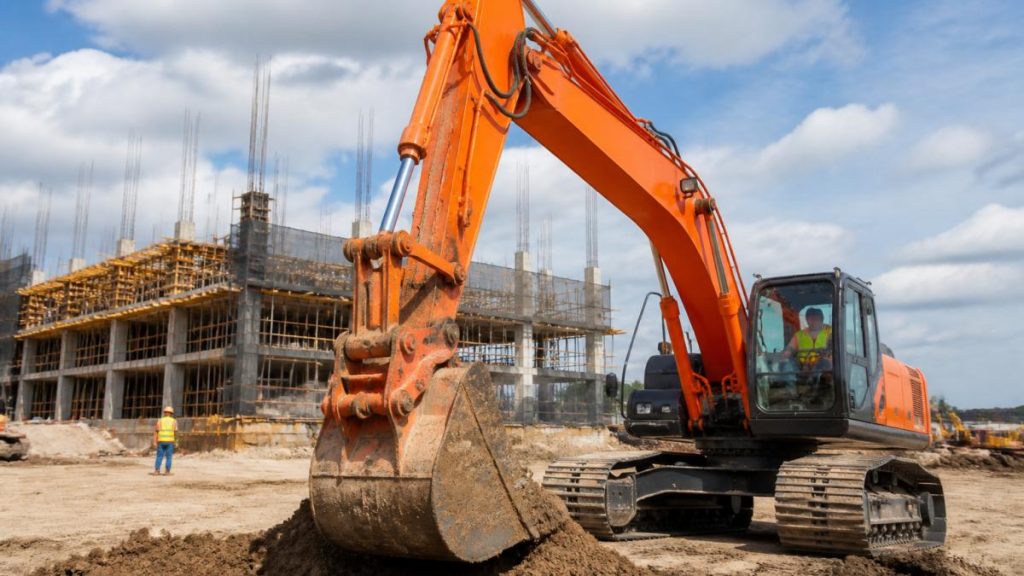
Hitachi Construction Machinery builds one of the broadest heavy equipment ranges sold in the United States, spanning excavators, wheel loaders, rigid dump trucks, and compact machines. This guide from Always Capital walks through what the 2026 lineup covers, where these machines earn their keep, and how to secure funding without slowing down a job.
The company’s reputation rests on hydraulic systems and manufacturing discipline rather than marketing. That matters when a machine runs ten-hour shifts on an infrastructure project.
- Excavators from compact to large mining class
- Wheel loaders for loading and stockpiling
- Rigid dump trucks for hauling at scale
- Compact machinery for tight-access work
- Attachments that extend a single carrier’s range
Excavators, Wheel Loaders, and Rigid Dump Trucks
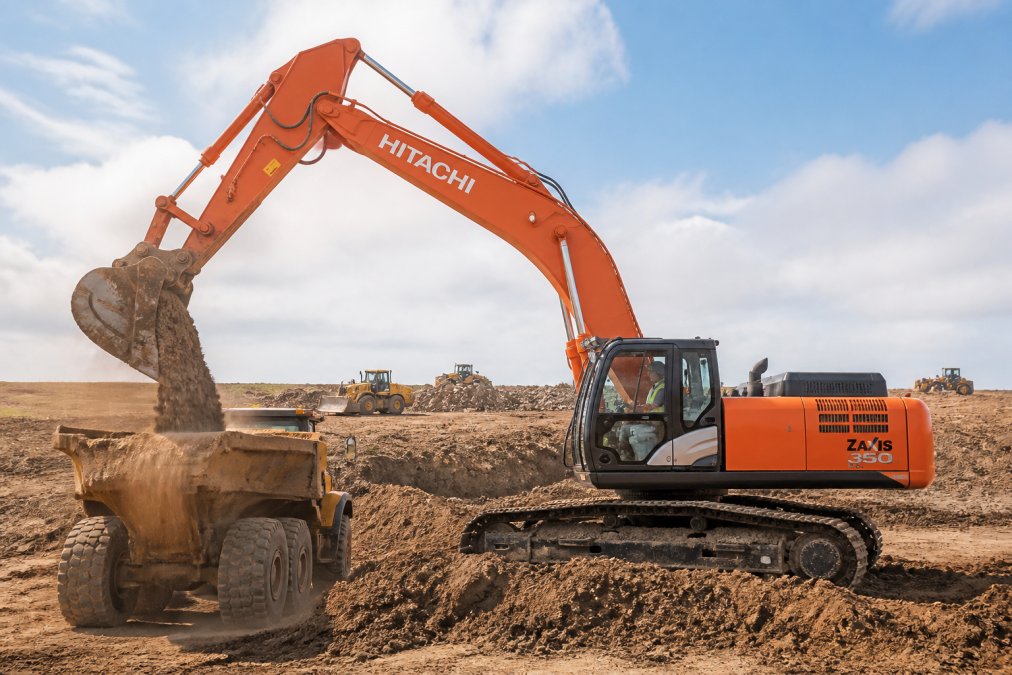
Excavators anchor the lineup. Sizes run from mini units for landscaping and utility work up to large mining excavators that load rigid dump trucks in high-volume pits. Wheel loaders handle loading, lifting, and stockpiling, while rigid dump trucks move material across long hauls where a haul truck beats a modified highway vehicle.
Compact Machinery and Specialized Attachments
Compact machinery covers tight job sites where a full-size excavator cannot turn. Attachments turn one carrier into several tools: breakers, thumbs, grapples, and buckets. Buyers who plan attachment use upfront tend to get more from a single machine.
Who Owns Hitachi Construction Machinery and What Changed
Hitachi Construction Machinery is a Japanese manufacturer headquartered in Tokyo, long operated as a distinct business within the wider Hitachi group.
- Dealer coverage is the variable, not the machine. The iron is the same iron. What changes is which storefront services it, which parts warehouse stocks the components, and how quickly a field tech can reach your site.
- Parts channels have consolidated. Some legacy joint-venture parts paths have narrowed, which is why verifying current part availability for a specific model year matters more than it used to.
- Warranty and service history travel with the machine, not the logo. If you buy used, pull the service records and confirm which dealer network has been maintaining the unit.
For a fleet buyer, the smart move is to map dealer distance against your job sites before you sign. A machine that is perfect on paper but three hours from the nearest parts counter is a downtime risk you are choosing to accept.
Total Cost of Ownership: Where Hitachi Machines Win and Where They Cost You
Total cost of ownership is the full expense of running a machine over its working life: purchase, fuel, hydraulic service, wear parts, downtime, and resale value. Hitachi machines often earn their value through fuel-efficient hydraulics and strong resale, but the same complexity that delivers that efficiency raises the cost of a major hydraulic repair.
FIND OUT HOW MUCH YOUR BUSINESS CAN BORROW TODAY ! →
Where they win:
- Fuel economy on long, continuous digging cycles
- Hydraulic response that shortens cycle times
- Resale value supported by brand recognition
Where they cost you:
- Complex hydraulics mean higher repair bills when something fails
- Dealer density varies by region, which affects downtime
- Parts lead times can stretch on older or less common models
Fuel, Hydraulic Systems, and Preventative Maintenance
Hydraulic systems are the heart of these machines and the biggest line in a maintenance plan. A common mistake is treating hydraulic service as reactive. Fluid sampling, filter changes on schedule, and hose inspection catch problems while they are cheap.
Telematics, Fleet Management, and Operator Comfort
Telematics is the remote monitoring of machine location, engine hours, fuel use, idle time, and fault codes through a cellular-connected system. On a mixed fleet, that data turns guesswork into decisions: which machine is underused, which is burning fuel at idle, and which is due for service before it breaks.
The Metrics That Actually Move the Needle
- Idle ratio. A machine that idles 40% of its run time is burning fuel and accumulating hours without producing. Tracking idle ratio by operator and by machine exposes both equipment misuse and site logistics problems, a truck that waits too long to be loaded shows up here.
- Fuel burn per hour of work. Comparing fuel consumed against productive hours, not total hours, separates a genuinely efficient machine from one that is simply parked with the engine running.
- Fault code frequency. Repeated codes on the same system, hydraulics, aftertreatment, electrical, are an early warning. A pattern of codes precedes most major failures.
- Utilization rate. Machines below a threshold of productive hours per week are candidates to be redeployed, rented out, or sold before they depreciate further.
Turning Data into a Maintenance Decision
The practical workflow most fleet managers settle into looks like this: pull fault codes weekly, flag any machine with a repeating code, and schedule inspection before the next service interval rather than at it. Fluid sample results get logged against machine hours so trends are visible over time, not just at the moment of failure. Service history built this way also strengthens the machine’s position when it comes time to upgrade.
Operator Comfort Is a Productivity Input
For an owner running excavators, loaders, and dump trucks across multiple sites, that visibility is often worth the subscription cost on its own, but only if someone is actually looking at the dashboard.
Heavy Equipment Loans for Excavators, Dozers, and Dump Trucks
Heavy equipment loans are financing agreements structured around the machine itself, with terms commonly ranging from 24 to 84 months. They cover excavators, dozers, wheel loaders, skid steers, dump trucks, day cabs, and box trucks, and many lenders also allow a working capital component alongside the equipment purchase.
FIND OUT HOW MUCH YOUR BUSINESS CAN BORROW TODAY ! →
What You Need | Financing Approach | Typical Fit |
|---|---|---|
New excavator or dozer | Equipment loan, 24-84 months | Established crews adding capacity |
Used machine, older model | No age or mileage restriction programs | Buyers sourcing auction or private-sale units |
Dump truck or day cab | Commercial truck financing | Hauling and aggregate operations |
Equipment plus payroll gap | Combined equipment and working capital | Growing crews with uneven cash flow |
Financing for Older Equipment with No Age or Mileage Restrictions
Financing for older equipment is available through programs built specifically for used machines, with no age or mileage restrictions on trucks and equipment. That opens up auction purchases, private sales, and dealer trade-ins that conventional financing would decline on age alone.
Heavy Equipment Financing Pre-Approval in Two Hours
Heavy equipment financing pre-approval tells you what you can borrow before you commit to a machine. Always Capital issues pre-approvals in as little as two hours, which matters when a dealer has a unit on the lot and another buyer is circling.
- Complete the application with basic business details
- Receive a soft-pull decision, no impact to credit
- Review terms from 24 to 84 months
- Choose a deferred payment plan of 30, 60, or 90 days if needed
- Close and take delivery of the machine
Frequently Asked Questions
What is the new name for Hitachi Construction Machinery?
Hitachi Construction Machinery rebranded its global equipment business under the name LandCros in 2025. The change covers the company’s excavators, wheel loaders, rigid dump trucks, and compact machinery lines sold worldwide. Existing Hitachi-branded machines remain supported through the same dealer network, and parts, servicing, and aftermarket support continue uninterrupted. Buyers shopping new or used units in 2026 will see both the LandCros branding on newer models and the familiar Hitachi name on equipment built before the transition.
Does John Deere still own Hitachi?
No. John Deere and Hitachi ended their long-running North American manufacturing and marketing partnership in 2022, and Deere acquired full ownership of the former joint venture operations. Hitachi Construction Machinery now sells and supports its excavators, wheel loaders, and mining equipment in the United States through its own dealer network. For buyers, this matters because parts sourcing, warranty coverage, and servicing now run through Hitachi’s independent channels rather than Deere dealerships.
How can I get fast financing for Hitachi construction equipment?
Always Capital offers same day approvals, often within two to four hours, on heavy equipment loans for excavators, wheel loaders, dozers, and dump trucks. Applications are accepted from all credit types, and the process uses a soft credit pull only, so your credit score is not affected by applying. You can get pre-approved with an application-only review, and funding covers up to 100% of the equipment cost. Apply online and a decision typically lands the same business day.
Does Always Capital offer financing for used Hitachi machinery?
Yes. Always Capital finances used Hitachi excavators, wheel loaders, and rigid dump trucks with no age or mileage restrictions, so higher-hour machines still qualify. This matters because used equipment often carries a shorter working life and buyers want flexible terms that match the remaining service window. Terms range from 24 to 84 months, and deferred payment plans of 30, 60, or 90 days are available. Apply online to get pre-approved for funding for older equipment.