
Last Updated: October 28, 2026
Quick Summary
Adding roll off trucks to your fleet lets one chassis serve many containers, so a box sits at the job site collecting material while the truck runs other stops. This reduces total hauling trips, diversifies service into construction waste and recycling, and improves asset utilization and cost per haul.
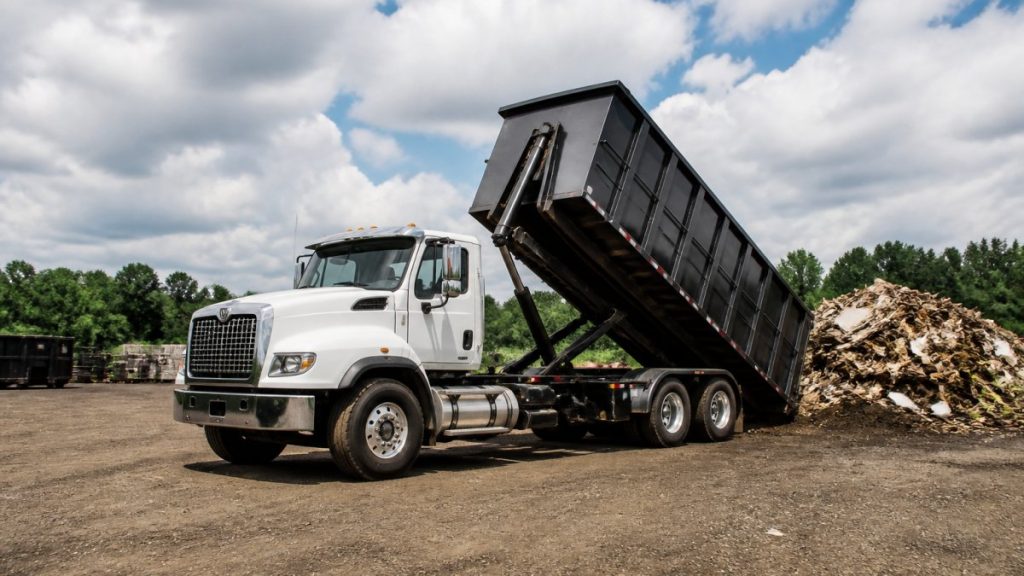
- A roll-off truck is a heavy-duty chassis paired with a hoist that loads, hauls, and dumps detachable containers.
- Roll-off trucks reduce the total number of hauling trips required compared with multiple smaller vehicles.
- Verify GVWR and frame rating against loaded container weight, not the empty truck weight.
- Cable hoist and hook-lift containers are not interchangeable, so the container fleet must match the hoist type.
- Track truck utilization, turns per day, on-time service, cost per haul, and maintenance downtime before adding capacity.
Table of Contents
- Why Roll Off Trucks Belong in a Growing Fleet
- Roll Off Truck Manufacturers Overview: What to Know Before You Buy
- How Roll Off Trucks Improve Operational Efficiency and Profitability
- Durability, Maintenance, and Replacement Planning
- Commercial Truck Financing for Growing Fleets
- Choosing the Right Roll Off Truck Configuration and Capacity
- Get Pre-Approved for Roll Off Truck Financing
- Frequently Asked Questions
Why Roll Off Trucks Belong in a Growing Fleet
The benefits of adding roll off trucks to your fleet depend on the work and operating needs of each business.
A roll-off truck is a heavy-duty chassis paired with a hoist that loads, hauls, and dumps detachable containers.
The Core Operational Advantages
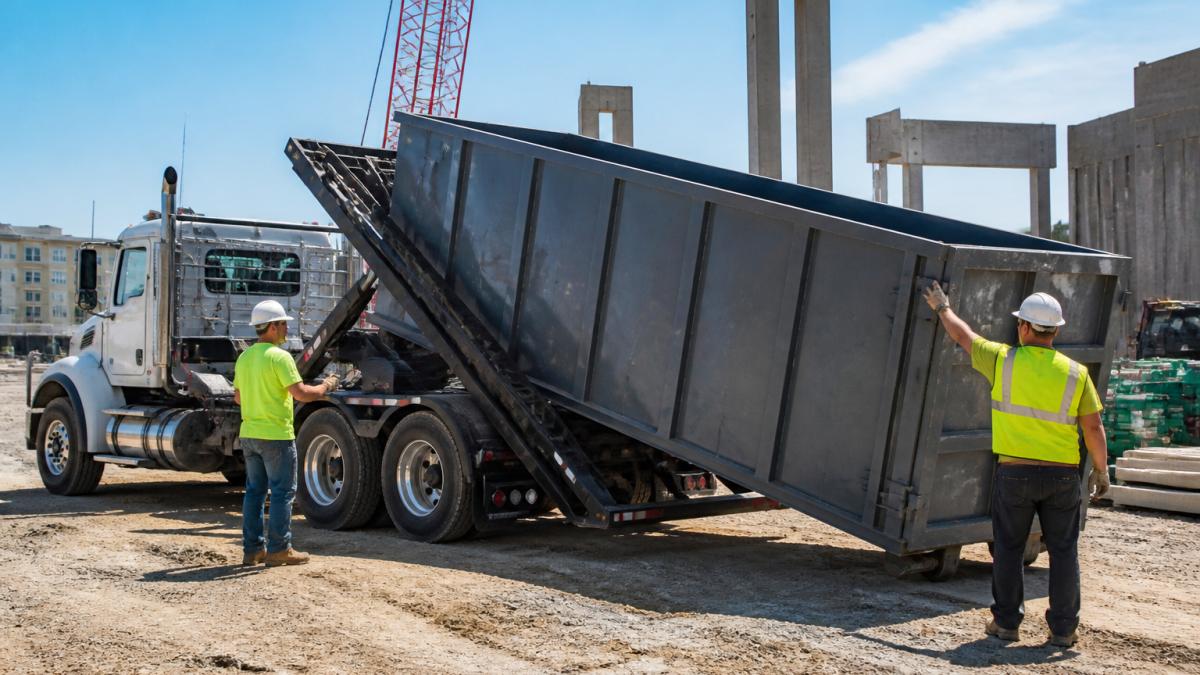
One chassis, many containers, is the whole argument. A roll-off box sits at the job site collecting material while the truck runs other stops.
- Fewer trips per ton. Big Truck Rental notes that roll-off trucks reduce the total number of hauling trips required compared with multiple smaller vehicles.
- Container flexibility. Containers stay on site.
- Service diversification. A roll-off truck can be used for construction waste, recycling, and commercial projects.
- Project flexibility. Roll-off service handles everything from a residential cleanout to a multi-month commercial build.
That is the operational case. The financial case also depends on financing structure. Readers can explore waste management financing built for these vehicles.
Roll Off Truck Manufacturers Overview: What to Know Before You Buy
The roll-off truck industry is built around two layers: a chassis from a vocational truck manufacturer and a hoist and body from an upfitter.
The Chassis Side
Vocational roll-off work involves load cycles, job sites, and container weights. Chassis manufacturers include:
The Body and Hoist Side
A common pattern is ordering a chassis through a dealer, drop-shipping it to the upfitter for body installation, then taking delivery as a completed unit. That sequencing affects lead times, so plan the order well ahead.
What to Verify Before You Buy
- GVWR and frame rating, must match the loaded container weight, not the empty truck weight.
- Hoist capacity, sized to the largest container the operation will realistically place, not the average.
- Body-to-chassis interface, confirm the upfitter has a proven mounting kit for the specific chassis model.
- Container compatibility, cable hoist and hook-lift containers are not interchangeable; the container fleet must match the hoist type.
- Parts and service network, a chassis brand with strong local dealer coverage reduces downtime when something breaks.
The Industry Backdrop
Roll-off trucks move demolition debris, renovation waste, and commercial refuse from job sites to transfer stations and landfills.
For operators weighing a purchase, the practical next step is to match the chassis and body to the actual work mix. Buyers comparing new and used can review used roll off truck financing options. Always Capital offers roll-off truck financing for new and used trucks with no age or mileage restrictions.
How Roll Off Trucks Improve Operational Efficiency and Profitability
Operators evaluating a roll-off addition can track benchmarks before and after the purchase.
The Three Levers
Asset utilization. One chassis with many containers is the core advantage: a container can be dropped in the morning and picked up in the afternoon while the same truck services other accounts in between.
The Benchmarks That Make It Concrete
Operators can establish these measures before adding capacity:
- Truck utilization, the percentage of available hours the truck is on a revenue-generating route.
- Turns per day, the number of container deliveries and pickups a truck completes in a shift.
- On-time service, the percentage of scheduled pickups completed within the promised window.
- Cost per haul, total operating cost divided by hauls completed.
- Maintenance downtime, hours per month a truck is out of service.
- Container turns, how often each container is cycled through a job site.
Revenue Diversification
A roll-off fleet can serve construction debris, residential cleanouts, renovation projects, recycling streams, and commercial accounts.
APPLY NOW AND GET YOUR BUSINESS PRE-APPROVED FOR FINANCING TODAY ! →
The Financing Side of the Equation
Always Capital offers roll-off truck financing with verbal or conditional approvals in as little as two to four hours, up to 100% financing, and repayment terms from 24 to 84 months. Payment deferrals of 30, 60, or 90 days are available.
Always Capital uses no-impact soft credit pulls to evaluate initial options without affecting personal or business scores.
Durability, Maintenance, and Replacement Planning
Replacement planning deserves the same discipline. When a truck reaches the end of its useful life, the question is not just what to buy but how to structure the acquisition. Readers planning replacement can compare equipment loan or equipment lease structures. Always Capital offers financing for older, high-hour, and high-mileage equipment.
Commercial Truck Financing for Growing Fleets
Adding roll-off capacity can involve acquiring trucks, containers, and supporting equipment. Fleet owners adding several trucks can follow a step-by-step guide to financing multiple machines.
Always Capital offers commercial truck financing with verbal or conditional approvals in as little as two to four hours, up to 100% financing, and capacity up to $5 million. Application-only approvals are available up to $500,000 without extensive company financial statements. Repayment terms range from 24 to 84 months, with 30-, 60-, or 90-day payment deferrals available.
Always Capital works with all credit types, uses no-impact soft credit pulls, and considers asset utility and revenue alongside standard scores.
That is the financing side. The next question is what to actually spec.
Here are the financing terms Always Capital states for commercial truck acquisitions.
| Item | Value | Note |
|---|---|---|
| Approval speed | Verbal or conditional in as little as two to four hours | Fast decisions |
| Financing amount | Up to 100% financing | Zero out-of-pocket option |
| Capacity | Up to $5 million | Single-transaction or cumulative |
| Application-only approvals | Up to $500,000 | No extensive company financial statements |
| Repayment terms | 24 to 84 months | Flexible loan lifecycles |
| Payment deferrals | 30, 60, or 90 days | Flexible payment programs |
| Credit evaluation | No-impact soft credit pulls | Does not affect personal or business scores |
| Credit types | All credit types accepted | Asset utility and revenue considered |
Choosing the Right Roll Off Truck Configuration and Capacity
Configuration decisions made at purchase follow a fleet for years. A 2026 Custom Truck analysis identifies body configuration as one of three operational levers.
Get Pre-Approved for Roll Off Truck Financing
Always Capital uses no-impact soft credit pulls to evaluate initial options. It offers roll-off truck financing for new and used trucks with no age or mileage restrictions, as well as excavator and dump truck financing. Start with the roll off truck financing page to begin an application.
Frequently Asked Questions
What are the primary operational advantages of roll off trucks?
Roll off trucks carry large containers that can be dropped at a job site and picked up when full. The configuration can be used for waste, recycling, and construction debris.
How does adding roll off trucks improve fleet versatility?
Roll off trucks can be used for waste management, recycling, and construction projects. Hook-lift configurations are one type of roll-off truck configuration.
What should businesses consider when expanding their fleet with roll off equipment?
Start with the work mix: container sizes, job site access, and how often containers need delivery and pickup. Then consider the routes you expect to run. Always Capital offers up to 100% financing with verbal or conditional approvals in as little as two to four hours, repayment terms from 24 to 84 months, and no-impact soft credit pulls.
How do roll off trucks compare to standard dump trucks for waste management?
Dump trucks tip material directly. Roll off trucks can drop a container at a job site and haul it away when full.
Adding roll-off capacity is a capital decision, and the operators who win it are the ones who line up funding before the truck search starts. Always Capital finances roll-off trucks and containers with approvals in as little as two to four hours, up to 100% financing, soft credit pulls, and repayment terms from 24 to 84 months. Get started with Always Capital and put a roll-off truck to work on your next contract.
