
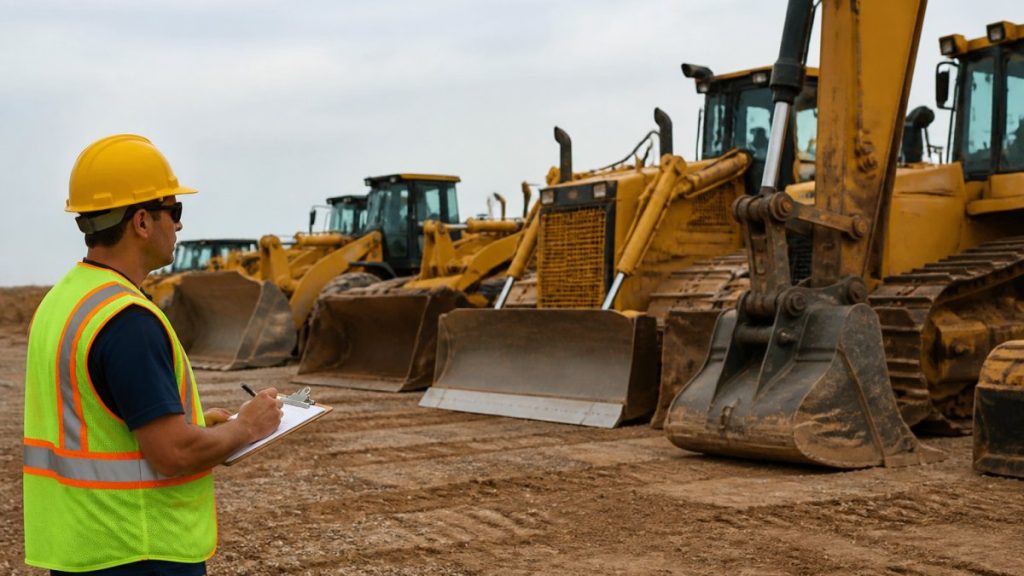
Table of Contents
- Start With Use Data, Not Guesswork
- Equipment Capacity Planning: Matching Machine Hours to Job Volume
- Seasonal Equipment Planning: A Checklist for Growth Cycles
- How to Determine the Right Type and Quantity of Equipment
- Equipment Fleet Expansion: When to Add, Rent, or Hold
- Equipment Financing for Seasonal Businesses: Structuring Payments Around Cash Flow
- Mistakes That Blow Up Seasonal Equipment Plans
- Conclusion: Turn Seasonal Demand Into a Repeatable Plan
- Frequently Asked Questions
Last Updated: October 14, 2026
Start With Use Data, Not Guesswork
Evaluating heavy equipment needs for seasonal growth starts with one question: how many hours did each machine actually work last season? This guide from Always Capital walks through the data, the checklist, and the financing structure that turn busy months into a repeatable plan.
Most owners guess. They remember the busy weeks, forget the slow ones, and buy on gut feel. That is how a fleet ends up with an idle machine eating payments through the off-season.
The fix is boring but effective. Pull machine hours. Compare them to billed job volume. Then decide.
- Log engine hours and idle hours separately
- Match hours to jobs actually invoiced
- Flag any machine under 60% use
- Review the last two seasons, not just one
Idle hours are the number most owners never track. A machine that runs 400 hours but idles 300 more is not a 400-hour machine. It is a machine you are paying for while it sits.
Equipment Capacity Planning: Matching Machine Hours to Job Volume
Equipment capacity planning is the practice of matching the hours your machines can work to the hours your jobs actually demand. Get it right and every machine earns its keep. Get it wrong and you fund iron that sits.
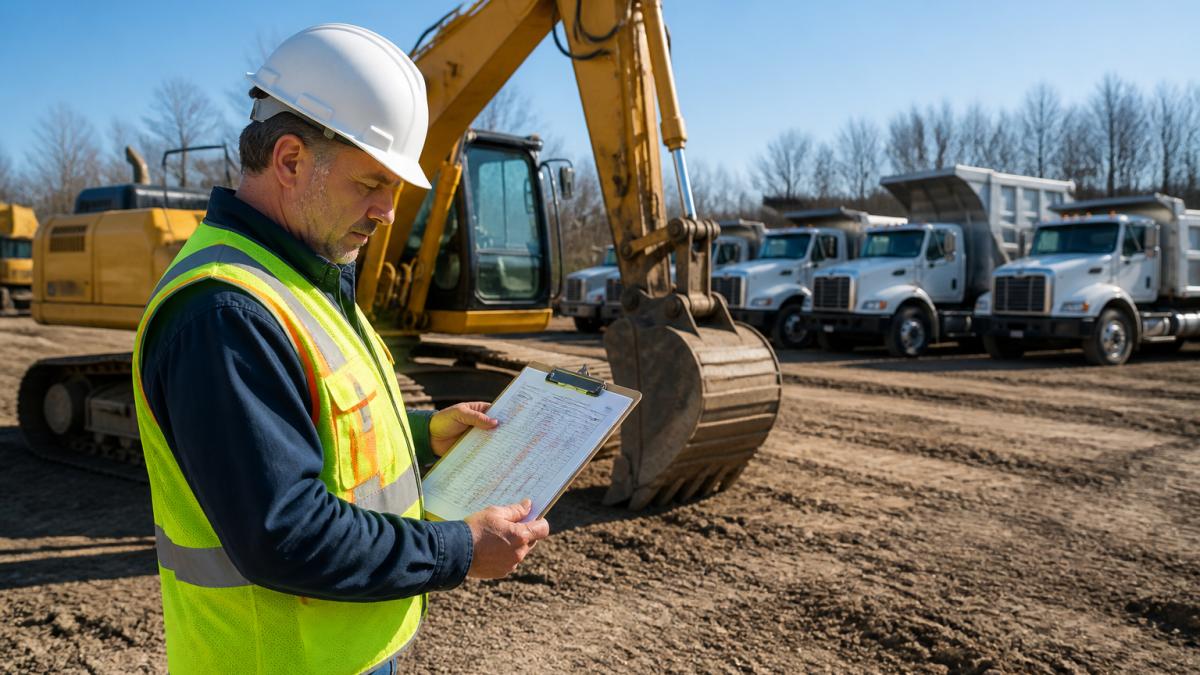
Start with a simple ratio. Total billed job hours divided by total machine hours available. If that number sits below 1, you have slack. Above 1, you are turning work away or renting to fill gaps.
Reading Machine Hours and Idle Time Correctly
Machine hours alone tell you half the story. A dozer showing 1,200 hours might have spent 400 of those idling between loads. Track both numbers or your capacity math will be wrong.
- Engine hours: total time the machine is running
- Idle hours: running but not producing
- Working hours: engine hours minus idle hours
- Use rate: working hours divided by engine hours
Building a Peak-Load Capacity Snapshot
A peak-load snapshot shows what your busiest four weeks actually demand. List every job running in that window. Add the machine hours each one needs. Compare the total to what your fleet can deliver.
| Metric | What It Tells You | Action If Short |
|---|---|---|
| Peak machine hours needed | Total demand in busiest weeks | Rent or add capacity |
| Fleet hours available | What you can deliver today | Compare to demand |
| Use rate | How hard each machine works | Flag anything under 60% |
| Idle hours | Wasted capacity | Cut or redeploy |
Seasonal Equipment Planning: A Checklist for Growth Cycles
Seasonal equipment planning means building your fleet around the calendar, not around a single busy month. Demand swings. Payments do not. Plan for the swing.
APPLY NOW AND GET YOUR BUSINESS PRE-APPROVED FOR FINANCING TODAY ! →
The Pre-Season Assessment Checklist
Run this before every busy season. It takes an afternoon and saves months of guesswork.
- Pull use rates for every machine from last season
- List jobs already booked for the coming peak
- Estimate machine hours each booked job needs
- Identify machines that will run over capacity
- Identify machines that will sit idle
- Check condition and repair history on high-hour units
- Decide what to add, rent, or hold
- Line up financing before the season starts, not during it
Waiting until the peak to arrange funding is the most common seasonal mistake. Lenders get busy, dealers run short on inventory, and machines you needed last month arrive next month. Start the process weeks ahead.
How to Determine the Right Type and Quantity of Equipment
The right equipment mix comes from three inputs: job type, job volume, and how long each machine stays productive. Skip any one and you buy the wrong iron.
Start with job type. A grading company needs different machines than a paving crew. Then layer in volume: how many cubic yards moved, how many loads hauled, how many square feet paved.
- Match machine type to the work, not to what is for sale
- Size the machine to the average job, not the biggest one
- Add units only when use stays high across a full season
- Keep one spare for your highest-demand machine type
Quantity follows use. If a machine runs near full capacity through the peak and still has work waiting, add a second unit. If it runs hard for six weeks and sits for twenty, rent instead.
Equipment Fleet Expansion: When to Add, Rent, or Hold
Equipment fleet expansion is a decision, not a reflex. Adding a machine too early drains cash flow. Adding too late costs you jobs.
| Situation | Best Move | Why |
|---|---|---|
| High use all season | Buy | Payments beat repeat rental |
| Short, sharp peak | Rent | No off-season payments |
| Steady growth, tight cash | Finance | Spreads cost, keeps cash |
| Aging unit, high repairs | Replace | Downtime costs more than payments |
| Challenged credit | Finance with a flexible funder | Keeps growth on track |
Financing fits the middle ground best. It keeps working capital free and puts the machine to work while you pay it down. Always Capital structures heavy equipment loans and term loans around how your season actually runs.
Equipment Financing for Seasonal Businesses: Structuring Payments Around Cash Flow
Equipment financing for seasonal businesses works best when payments follow the money. A flat payment through a slow winter is a cash flow problem waiting to happen.
Always Capital builds flexibility into the structure. Deferred payment plans of 30, 60, or 90 days let a machine start earning before the first payment lands. Loan terms run from 24 to 84 months, so you can match the term to the working life of the machine.
- Soft credit pull only, so applying does not hurt your credit
- All credit types accepted, with high approval rates
- Up to 100% financing on heavy equipment and commercial trucks
- Approvals in as little as two to four hours
- No age or mileage restrictions on equipment and trucks
The best seasonal structure matches payment timing to revenue timing. If your busy months are spring and summer, a deferred start in early spring beats a payment schedule that begins in January.
Mistakes That Blow Up Seasonal Equipment Plans
Buying on peak emotion is the mistake that sinks most seasonal fleets. A busy month feels permanent. It is not.
APPLY NOW AND GET YOUR BUSINESS PRE-APPROVED FOR FINANCING TODAY ! →
- Buying at the top of a peak, then carrying payments through the slow season
- Ignoring idle hours and treating engine hours as real capacity
- Skipping the pre-season checklist and reacting instead of planning
- Waiting to arrange funding until the machine is already needed
- Sizing equipment to the biggest job instead of the average one
- Holding aging units past the point where downtime eats the savings
Each one is avoidable with data and a bit of lead time. None of them are fixed by buying more iron.
Conclusion: Turn Seasonal Demand Into a Repeatable Plan
Seasonal demand does not have to be a rollercoaster. Track use, build a peak-load snapshot, and let the numbers tell you when to add, rent, or hold. Then line up financing before the season starts so a good month does not turn into a cash crunch.
Always Capital funds heavy equipment and commercial trucks with up to 100% financing, soft credit pulls only, and approvals in as little as two to four hours. Deferred payment plans of 30, 60, or 90 days and terms from 24 to 84 months keep payments aligned with how your season actually runs.
Get pre-approved with Always Capital and put your next machine to work before the busy season arrives.
Frequently Asked Questions
How do I determine what heavy equipment my business needs?
Start with last season’s job logs. Pull machine hours, idle time, and rental invoices for each unit, then compare them against the jobs you turned down or delayed. If a machine ran near its limit for several weeks and you rented a backup, that gap is your real requirement. Match the answer to the work itself: excavators for trenching and site prep, loaders for material handling, dump trucks for haul cycles. Always Capital can pre-approve financing for excavator, loader, and dump truck purchases so you can act before the season starts.
Should I buy or rent equipment for seasonal work?
Rent when a machine is needed for one short window and the rest of the year it sits. Buy when the same unit is booked across multiple seasons or when rental availability in your area dries up during peak months. Run the numbers on total rental spend across a full year against a financed purchase with a 24 to 84 month term. If rental costs approach the equipment’s value and you can keep it working, owning usually wins, and financing spreads the cost across the seasons it earns.
How can I estimate equipment needs for a busy season?
Build the estimate from signed contracts and a realistic pipeline, not optimism. List every job with its start date, duration, and the machine types it requires, then layer them on a calendar to find the weeks where demand stacks up. Add a buffer for weather delays and breakdowns, usually 10 to 15 percent of machine hours. The result is your peak-load requirement, and the difference between that number and your current fleet is what you need to rent or finance.
What should I consider before expanding my equipment fleet?
Check four things: utilization, crew capacity, storage and maintenance, and cash flow. A machine that runs below roughly 60 percent of available hours often costs more than it earns. Confirm you have operators and a service plan before the unit arrives, since a breakdown during peak season erases the gain. Then match the payment structure to your revenue cycle. Always Capital offers deferred payment plans of 30, 60, or 90 days and application-only approvals up to $500,000 with no financials, which keeps working capital free while new equipment ramps up.