
Table of Contents
- Why Equipment Age Matters to Lenders
- How Lenders Evaluate Older Equipment Value
- Key Factors That Determine Loan Eligibility for Used Machinery
- Financing Older Heavy Equipment: What You Need to Know
- Snowplow Equipment Financing for the Coming Winter Season
- The Equipment Financing Approval Process with Always Capital
- Common Mistakes to Avoid When Financing Older Equipment
- Conclusion: Get Approved for the Equipment You Need
- Frequently Asked Questions
Last Updated: September 9, 2026
Why Equipment Age Matters to Lenders
The impact of equipment age financing eligibility is often the single biggest hurdle for construction and trucking companies seeking capital. Lenders view machinery as collateral, and older assets carry more uncertainty about their remaining useful life and resale value.
Newer equipment typically holds its market value longer, making it a safer bet for asset-backed financing. Used machinery requires a more careful look at condition, maintenance history, and how many productive years it has left.
Age alone does not disqualify a borrower. Many lenders, including Always Capital, evaluate the whole picture. A well-maintained older excavator with documented service records can be a stronger candidate than a newer machine with a spotty history.
How Lenders Evaluate Older Equipment Value
Lenders assess older equipment by estimating its current market value and projecting how that value will hold over the loan term. They look at the machine’s age, hours on the engine and components, and overall condition. A machine serviced on schedule and kept indoors will appraise differently than one exposed to harsh weather and irregular upkeep.
The remaining useful life of the asset is central. If a lender expects a bulldozer to remain productive for another eight years, they are more comfortable writing a five-year loan. If the machine is near the end of its practical working life, the lender may ask for a shorter term or a different structure.
The Role of an Equipment Appraisal
An equipment appraisal provides the documented market value that underwriters rely on. An appraiser inspects the asset, reviews the maintenance history, and compares it against recent sales of similar pre-owned equipment.
Borrowers can speed things up by having service logs, repair receipts, and hour meter readings ready. A clean, organized file signals that the owner treats the equipment as a capital asset worth protecting.
Key Factors That Determine Loan Eligibility for Used Machinery
Several factors beyond age influence whether a used equipment loan gets approved. Lenders weigh the borrower’s credit profile and business operating history alongside the asset’s condition. A strong payment track record on previous equipment loans carries real weight.
The primary factors lenders review include:
- Equipment age and total hours of use
- Condition of the engine, hydraulics, and structural components
- Documented maintenance history and any major repairs
- Market value from a recent equipment appraisal
- The borrower’s creditworthiness and payment history
- Business operating history and financial documentation
- Down payment capacity and the requested repayment terms
A common mistake is assuming that approval depends entirely on the borrower’s credit score. In asset-backed financing, the equipment itself carries much of the risk. Lenders who specialize in this space, such as Always Capital, underwrite based on collateral value and the borrower’s ability to make payments.
The Maintenance Record Checklist That Offsets Age
The specific maintenance documentation you provide can be the deciding factor between an approval and a decline. Lenders underwrite older assets by assessing the risk of a major component failure during the loan term. A verifiable maintenance history directly reduces that perceived risk. Assemble a file that includes the following:
- Hour meter readings: Logged at regular intervals (e.g., monthly) to show usage patterns, not just a single snapshot.
- Preventive maintenance schedules: Records of oil changes, filter replacements, and fluid analyses that follow the manufacturer’s recommended intervals.
- Major component rebuilds: Invoices and work orders for engine overhauls, transmission rebuilds, or hydraulic pump replacements. A recent rebuild can effectively add years of useful life to the asset in a lender’s eyes.
- Inspection reports: Third-party inspection certificates from a qualified mechanic or equipment dealer, dated within the last 90 days.
- Repair history: A log of unscheduled repairs that shows how issues were addressed. A pattern of immediate, professional repairs signals responsible ownership.
- Undercarriage and wear-part data: For track-type equipment like excavators and bulldozers, records of track tension, sprocket wear, and bushing turns demonstrate proactive management of high-wear items.
Organizing these documents in a single digital folder before you apply signals that you treat the machine as a capital asset. It also speeds up approval because the lender does not have to request additional paperwork.
How Maintenance History Affects the Loan Structure
A lender reviewing two similar ten-year-old dump trucks will structure financing differently based on their histories. The first has receipts showing a new transmission at 400,000 miles and a recent brake overhaul; the second has no records beyond a title transfer. The first presents lower collateral risk, which can translate into more favorable terms or a longer repayment period. The second often leads to a request for a larger down payment or a shorter term.
Successful borrowers often have a professional appraisal and a full maintenance file prepared before they begin the application. This shifts the conversation from “why should we finance this old machine?” to “here is the evidence that this machine has years of productive life remaining.”
Financing Older Heavy Equipment: What You Need to Know
Financing older heavy equipment is entirely possible, but it requires working with a lender that understands the asset class. Many traditional banks cap the equipment age they will finance, leaving businesses with perfectly functional machines and nowhere to turn for capital.
Specialist lenders understand the resale market for used bulldozers, excavators, and dump trucks, so they structure financing around the asset’s actual condition rather than an arbitrary cutoff. This benefits companies that buy quality used machinery at a discount and run it profitably for years.
Document the equipment’s service history thoroughly. Lenders respond well to proof that major components have been rebuilt or replaced when needed. A new transmission or a recent hydraulic overhaul can extend the useful life of a machine substantially.
Age Limits Vary Significantly by Equipment Type
Lenders apply different age thresholds depending on the asset’s expected useful life and resale market. Understanding these distinctions helps you set realistic expectations before you apply.
- Heavy Construction Equipment (Excavators, Bulldozers, Loaders): These machines are built for long service lives, often 10,000 to 20,000+ hours. Lenders familiar with this asset class routinely finance units that are 10 to 15 years old, provided the structure and major components are sound. The resale market for well-maintained units remains active even at higher hour counts.
- Over-the-Road Trucks (Dump Trucks, Day Cabs, Box Trucks): Age and mileage are the primary risk factors here. A dump truck with 500,000 miles is at a different stage of its life than one with 900,000 miles. Lenders look closely at engine hours, transmission condition, and frame integrity. Financing is available for trucks with high mileage, but the documentation requirements are typically more demanding.
- Snowplow-Specific Attachments (Plow Frames, Spreaders, Hydraulic Systems): These components wear differently than the truck itself. A plow frame that has been properly stored and painted between seasons can outlast the truck it is mounted on. When financing a plow truck, lenders may consider the condition of the attachment separately from the chassis.
- Material Handling Equipment (Skid Steers, Forklifts): These machines often have lower total hours compared to highway trucks. A skid steer with 4,000 hours is considered moderately used and may have significant remaining life. Lenders typically view these assets favorably because of their strong resale demand.
- Tractors and Farm Equipment: Agricultural equipment often has seasonal use, resulting in lower annual hours. A 20-year-old tractor with 3,000 hours may be a better candidate for financing than a 10-year-old tractor with 8,000 hours. Lenders who understand agriculture weigh hours and service records more heavily than calendar age.
The Appraisal Process for Assets Past Typical Age Limits
When a piece of equipment falls outside a lender’s standard age parameters, an independent appraisal becomes the key that unlocks financing. The appraiser does not just look at the model year; they conduct a thorough inspection that includes:
- Component-level assessment: Evaluating the engine, transmission, hydraulics, and undercarriage separately rather than treating the machine as a single unit.
- Functional testing: Operating the equipment to verify that all systems work correctly, including lifting, steering, and attachment functions.
- Market comparables: Searching recent auction results and private sales for the same model with similar hours and condition. For older models, this may require looking at sales from the past 12 to 18 months to find enough data points.
- Remaining useful life estimate: Projecting how many more years the asset can operate productively based on its current condition and typical usage patterns for that equipment class.
The resulting appraisal report gives the lender a defensible basis for approving financing on an asset that might otherwise be rejected. For a snowplow company looking to add a used truck before winter, having a current appraisal on file can compress the approval timeline from days to hours. Always Capital routinely works with borrowers to navigate this process, offering same-day approvals for excavator financing and other heavy equipment needs.
Snowplow Equipment Financing for the Coming Winter Season
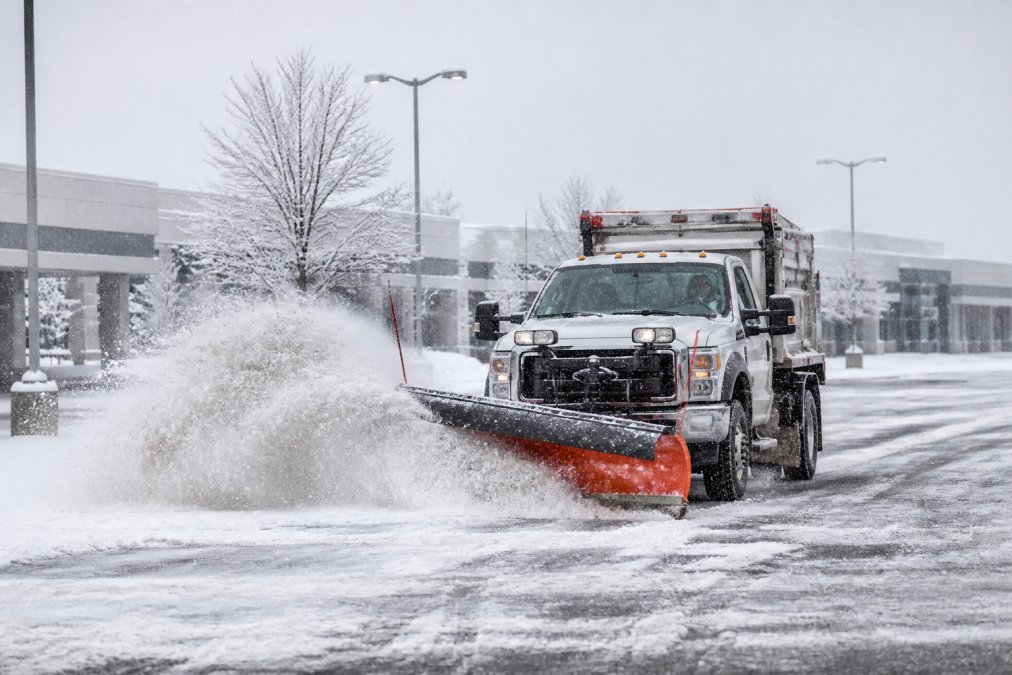
For snowplow companies, equipment age financing becomes urgent as winter approaches. Plow trucks take a beating during the season, and a reliable fleet is the difference between winning contracts and losing them to a competitor with newer rigs.
Snowplow equipment financing is available even for trucks that have seen many seasons of service. Plow frames, hydraulic systems, and spreaders experience heavy wear, but they can be repaired or replaced. A lender that evaluates each truck on its merits can approve financing for a well-maintained unit that a bank might reject solely due to age.
Applying for financing before the rush of late fall gives businesses time to get the right equipment in place and crews trained on it. Waiting until the first snow forecast often means scrambling when availability is tight.
The Equipment Financing Approval Process with Always Capital
Always Capital has built its approval process around speed and accessibility for equipment owners. Businesses seeking financing for older machinery benefit from an approach that evaluates the full picture, not just a credit score.
The process starts with a simple application that takes only minutes to complete. A soft credit pull protects the borrower’s credit profile during the initial review. For applications up to a certain amount, approvals can be granted based on the application alone. Most applicants receive a decision within two to four hours.
Financing Feature | How It Helps Borrowers |
|---|---|
Application-only approvals | No financials required for requests up to $500,000 |
No age or mileage restrictions | Older trucks and equipment remain eligible |
Deferred payment plans | 30, 60, or 90 days before the first payment |
Repayment periods from 24 to 84 months |
This structure works well for snowplow operators and construction firms that need capital quickly. A paving company that spots a deal on a used paver, or a grading business that needs a second skid steer before a big project, can move fast when approval comes through the same day. Always Capital works with over 35 lending sources for all business types, connecting borrowers with the right fit for their equipment.
Common Mistakes to Avoid When Financing Older Equipment
The biggest mistake borrowers make is not preparing the paperwork that supports the equipment’s value. Service records, recent inspection reports, and a professional equipment appraisal all strengthen the case. Skipping this step forces the lender to rely on assumptions.
Another common error is assuming that all lenders apply the same equipment age cap. Some providers will not finance machinery beyond a certain age, while others have no restrictions on age or mileage at all. Asking directly about age limits saves time.
A third mistake is focusing exclusively on the purchase price while ignoring the total cost of ownership. Older equipment may carry higher maintenance costs, and a borrower should factor those expenses into the business plan.
Conclusion: Get Approved for the Equipment You Need
The impact of equipment age on financing eligibility does not have to stop a business from growing. Lenders that specialize in equipment financing understand that a well-maintained older machine can be just as valuable as a newer model.
Always Capital offers financing for equipment and trucks with no restrictions on age or mileage, making it a strong fit for snowplow companies and construction firms with seasoned fleets. With 100% financing options, same-day approvals in as little as two to four hours, and support for all credit types, the path to approval is straightforward. Equipment leasing and finance industry guidance confirms that asset-backed financing is a standard route for businesses acquiring capital equipment.
The application takes minutes, and the decision often comes the same day. Businesses that need dump truck financing before the next contract, a new excavator for an upcoming job, or a plow truck before the snow flies can get approved and get back to work. Small Business Administration financing programs offers additional context on how equipment serves as collateral in business lending. Get started with Always Capital and secure the equipment financing your operation needs for the season ahead.
Frequently Asked Questions
Does equipment age affect my ability to get financing?
Yes, equipment age directly impacts financing eligibility with most lenders. Older machines carry higher collateral risk because depreciation reduces their resale value and remaining useful life. Many lenders impose strict age caps, refusing to finance equipment over 10 years old. Always Capital takes a different approach, offering financing for older equipment with no restrictions on age or mileage. We focus on your business’s ability to make payments and the equipment’s condition, not just its model year.
How does Always Capital handle financing for older snowplows?
Always Capital understands that snowplow companies often rely on well-maintained older trucks and plows. We offer snowplow equipment financing without age or mileage restrictions, which is rare in the industry. Our approval process considers your overall business profile and the equipment’s working condition rather than eliminating your application based on the vehicle’s age alone. You can get approved in as little as 2-4 hours, even during the busy pre-winter season when you need to expand your fleet quickly.
What documentation is required for financing used heavy equipment?
For applications up to $500,000, Always Capital requires application-only approval with no financial documentation needed. This means you can skip bank statements and financial statements. For larger amounts, you may need to provide basic financial documentation to support the request. We also recommend having equipment details like make, model, year, and hours ready. A clear maintenance history strengthens your application because it demonstrates the equipment has been properly cared for, which helps offset concerns about age.
Why do some lenders restrict the age of financed equipment?
Lenders restrict equipment age because older assets carry higher default risk. If a borrower stops making payments, the lender must repossess and sell the equipment to recover the loan balance. Older machines have lower resale value and a shorter remaining useful life, which makes them harder to sell and more likely to need expensive repairs. This creates a higher loan-to-value ratio and greater potential loss. Always Capital works with over 35 lending sources to find options for older equipment, giving you access to financing that traditional single-source lenders won’t provide.