
Table of Contents
- Why Now Is the Time to Upgrade Your Snow Removal Fleet for Winter Efficiency
- Assess Your Current Snow Removal Fleet Before Upgrading
- Snowplow Truck Equipment Selection and Specifications
- Snow Removal Fleet Maintenance Checklist for Pre-Season Prep
- Snow Removal Route Optimization Software and Dispatch
- Snow Removal Truck Financing and Equipment Acquisition
- Implementation Timeline and Operator Training
- Measuring Your Upgrade Success
- Frequently Asked Questions
Last Updated: October 11, 2026
Why Now Is the Time to Upgrade Your Snow Removal Fleet for Winter Efficiency
Winter arrives faster than most contractors anticipate. By the time snow falls, equipment breakdowns become expensive emergencies rather than preventable problems. The real window for upgrading your snow removal fleet closes weeks before the first storm.
Snow removal operations demand peak performance during the season’s most intense weeks. A single equipment failure during a major storm can cost thousands in lost contracts and emergency repairs.
The timing matters more than most businesses realize. Equipment deliveries take weeks. Operator training requires time. Pre-season maintenance demands attention. Starting this process in September or early October ensures everything is operational by November. Waiting until November means scrambling, paying premium prices for last-minute purchases, and risking downtime during peak season.
The best time to upgrade is 8-12 weeks before your region’s first significant snowfall. This timeline allows for equipment delivery, installation, testing, and crew training without seasonal pressure.
Assess Your Current Snow Removal Fleet Before Upgrading
Before purchasing new equipment, understand what your current fleet can and cannot do. A systematic assessment reveals gaps, identifies underperforming assets, and guides smart purchasing decisions. Many contractors skip this step and end up buying equipment they don’t need while missing critical gaps.
Identify Equipment Gaps and Performance Issues
Start by tracking last season’s performance data. Which jobs took longer than estimated? Which equipment failed or required repairs? Which routes experienced capacity bottlenecks? This information directly shapes upgrade priorities.
Document equipment age, use rates, and repair history. A truck that required three major repairs last season is a candidate for replacement. Compare actual performance against your service commitments.
Identify seasonal staffing constraints. Limited operator availability means equipment sitting idle during peak season. Automation features and efficiency improvements become more valuable when labor is scarce. Modern snow removal fleet upgrades often focus on equipment that requires fewer operators to achieve the same output.
Evaluate Vehicle and Attachment Compatibility
Not all plow blades fit all trucks. Not all spreaders work with all chassis. Compatibility issues waste money and create operational headaches. Before upgrading, verify that new equipment integrates with existing vehicles.
Check hydraulic system capacity on current trucks. Modern salt spreaders and plow systems demand specific hydraulic flow rates and pressure ratings. Older trucks may lack the hydraulic power for new equipment. Verify electrical systems can support additional sensors, cameras, and control systems that modern equipment requires.
Document frame dimensions and weight distribution limits. Oversizing equipment damages vehicles and voids warranties. Undersizing equipment limits effectiveness. The right fit requires precise specifications, not guesses.
Equipment compatibility determines whether new purchases enhance efficiency or create integration problems. Always verify specifications before committing to purchases.
Snowplow Truck Equipment Selection and Specifications
Selecting the right equipment requires understanding how different tools serve different purposes. A one-size-fits-all approach fails in snow removal. Route types, storm intensity, material costs, and labor availability all influence equipment selection.
Plow Blade Types and Sizing for Your Fleet
Plow blade selection determines how efficiently crews clear roads. Straight blades work well for highways and wide streets. V-plows handle heavy wet snow and tight angles.
Blade size matters significantly. An 8-foot blade works for residential streets. A 10-foot blade suits highways and large parking lots.
Modern plow systems include adjustable angles, which reduce material spillage and improve edge quality. Straight plows push snow to the side.
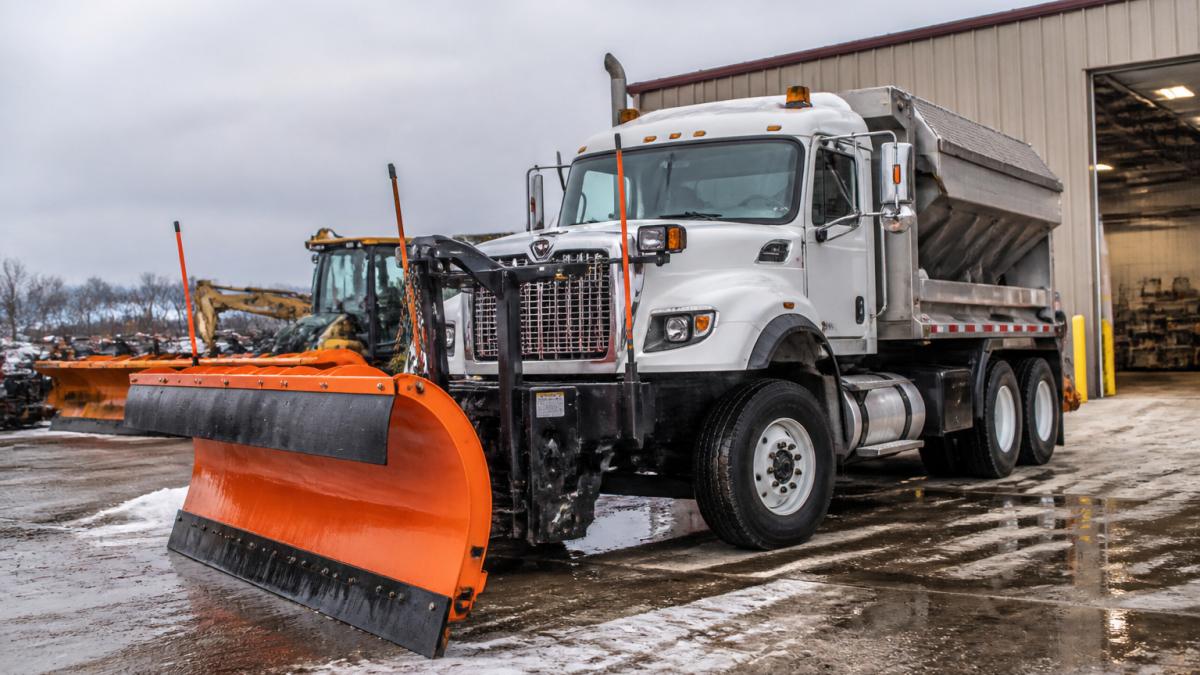
Consider material-specific needs. Wet, heavy snow requires different blade angles than dry, light snow. Adjustable systems handle regional variation better than fixed equipment.
Salt Spreaders and Material Application Systems
Salt spreaders apply de-icing material efficiently across treated surfaces. Spinner spreaders work for large areas. Tailgate spreaders suit smaller operations. Conveyor systems offer precise control and reduced material waste.
Spreader capacity affects route efficiency. A 2-ton spreader requires frequent refilling on large routes. A 4-ton spreader covers more ground between refills, reducing downtime. Balance capacity against vehicle weight limits and fuel efficiency.
Modern spreaders include GPS-guided application systems. These systems track treated areas, prevent overlapping applications, and reduce material waste. Lower material costs offset equipment expenses within one season for high-volume operations.
APPLY NOW AND GET YOUR BUSINESS PRE-APPROVED FOR FINANCING TODAY ! →
Snow Removal Fleet Maintenance Checklist for Pre-Season Prep
Pre-season maintenance prevents emergency failures during peak operations. A systematic checklist catches problems before they become costly downtime. Schedule maintenance in August and September, before the rush.
Engine and Hydraulic System Inspections
Engine maintenance requires full fluid changes, filter replacement, and system pressure testing. Diesel engines used in snow removal trucks operate under extreme stress during winter. Fresh oil, fuel filters, and air filters improve reliability and fuel efficiency.
Hydraulic systems require particular attention. Inspect hoses for cracks, leaks, and wear. Replace hydraulic fluid if it hasn’t been changed in two years. Verify pressure relief settings match equipment specifications. Low hydraulic pressure reduces plow response time and spreader accuracy.
Check battery condition and charging systems. Cold weather reduces battery capacity by 30-50%. Batteries older than three years should be replaced before winter. Verify alternators charge at correct voltage to handle additional electrical loads from modern equipment.
Attachment Testing and Calibration
Test plow blade movement through full range of motion. Verify hydraulic cylinders extend and retract smoothly. Check for leaks in all connection points. Lubricate pivot points and hinges.
Calibrate spreader systems to verify material application rates match specifications. Test spreader operation through full hopper capacity. Verify conveyor systems move material smoothly without jamming. Check spinner blade balance to prevent vibration.
Test lighting systems, backup cameras, and sensor arrays. Modern snow removal equipment relies on electronic systems for safety and efficiency. Verify all systems function before season starts.
Snow Removal Route Optimization Software and Dispatch
Route efficiency directly impacts profitability. Optimized routes reduce fuel consumption, labor costs, and response times. Modern software handles complexity that manual planning cannot manage.
Real-Time Road Data and Weather Integration
Route optimization software integrates real-time weather data and road conditions. Systems track storm progression and adjust route priorities accordingly. Crews receive updated instructions as conditions change, preventing wasted effort on already-cleared routes.
GPS tracking shows actual crew locations and completion status. Dispatchers identify bottlenecks and reassign resources in real time. This responsiveness improves service delivery and customer satisfaction during high-stress storm events.
Integration with customer management systems ensures service commitments are met. Priority routes receive attention first. Secondary routes are scheduled based on available capacity. Automated notifications update customers on service status.
Measuring Route Efficiency and Cost Per Lane-Mile
Tracking cost per lane-mile reveals operational efficiency. Compare costs across routes, crews, and seasons. High-cost routes indicate either inefficiency or legitimate complexity. Data-driven analysis guides resource allocation.
Monitor fuel consumption per route. Efficient routes consume less fuel per mile. Compare actual consumption against benchmarks to identify underperforming equipment or crews.
Measure labor productivity by route completion time. Track how many lane-miles each crew completes per hour. Identify top performers and analyze their techniques. Share best practices across teams to improve overall efficiency.
Snow Removal Truck Financing and Equipment Acquisition
Equipment financing enables fleet upgrades without depleting working capital. Strategic financing preserves cash for operations, payroll, and seasonal contingencies. Always Capital specializes in dump truck financing and heavy equipment financing for contractors of all sizes.
Flexible Financing Options for Fleet Expansion
Equipment financing from Always Capital covers all types of snow removal vehicles and attachments.
Always Capital offers same-day approvals for equipment financing. Soft credit pulls mean applications don’t damage credit scores. The fast approval process allows contractors to capitalize on equipment availability and pricing opportunities without lengthy delays.
Financing terms range from 24 to 84 months, matching equipment lifecycles and business cash flow. Deferred payment options of 30, 60, or 90 days let contractors defer payments until revenue flows from winter operations.
Up to 100% financing means no large down payment required. Contractors preserve working capital for payroll, materials, and emergency reserves. Equipment serves as collateral, minimizing risk for the lender and enabling faster approvals.
APPLY NOW AND GET YOUR BUSINESS PRE-APPROVED FOR FINANCING TODAY ! →
Financing equipment before the season starts ensures arrival and installation are complete before peak demand. Last-minute purchases often face delivery delays and premium pricing.
Preserving Working Capital During Peak Season
Snow removal operations require significant working capital for materials, labor, and emergency repairs. Equipment financing preserves cash for these critical expenses. Rather than depleting reserves for equipment purchases, contractors maintain liquidity for operational needs.
Seasonal businesses benefit from deferred payment structures. Many contractors generate most revenue between November and March. Deferred payments align with revenue timing, reducing cash flow stress during peak season. This alignment improves overall business stability and reduces reliance on short-term credit.
Fixed payment terms provide budget predictability. This consistency simplifies forecasting and prevents surprise payment increases. Always Capital’s application-only equipment financing process streamlines approval without requiring extensive documentation, making it easier for contractors to secure funding quickly.
Implementation Timeline and Operator Training
Successful fleet upgrades require coordinated planning. Equipment delivery, installation, testing, and training must complete before peak season. A compressed timeline during September through October ensures readiness.
Start equipment orders in August. Lead times for specialized plow trucks and spreaders range from 4 to 12 weeks. Early ordering prevents last-minute delays.
Schedule operator training as equipment arrives. Crews need hands-on experience with new controls, features, and systems before high-stress operations begin.
Test all integrated systems before season starts. Run plow and spreader systems through full cycles. Verify GPS, communication systems, and dispatch software function correctly.
Establish maintenance schedules for new equipment. Modern equipment requires specific maintenance intervals. Document maintenance requirements and assign responsibility. Preventive maintenance prevents emergency failures during peak operations.
Measuring Your Upgrade Success
Track metrics that reveal whether upgrades delivered expected benefits. Measure results against baseline data from previous seasons. Compare performance across upgraded and non-upgraded equipment.
Monitor route completion times. Upgraded equipment should reduce time per route by 10-20%. Faster completion increases capacity and customer satisfaction.
Track fuel consumption per route. Efficient equipment and optimized routes should reduce fuel costs. Compare fuel consumption against previous seasons and industry benchmarks.
Measure equipment downtime. New equipment should require fewer repairs than aging equipment. Track maintenance costs and compare against previous years. Calculate payback period for equipment investments.
Document customer satisfaction changes. Better service quality and faster response times should improve ratings and retention. Survey customers about service improvements. Use feedback to guide future upgrade decisions.
Fleet upgrades require significant planning and capital investment. Always Capital removes financial barriers to upgrading your snow removal fleet for winter efficiency. With same-day approvals, up to 100% financing, and flexible terms from 24 to 84 months, contractors can acquire the equipment needed for peak season without financial strain. Apply now at Always Capital’s equipment financing application and get pre-approved for heavy equipment loans that fit your seasonal cash flow.
Frequently Asked Questions
How do I know if my snow removal fleet needs an upgrade before winter?
Evaluate your current equipment for signs of wear, breakdowns during last season, and reduced performance. If vehicles are aging, attachments are corroded, or you’re missing specialized equipment like salt spreaders or modern plow blades, an upgrade improves operational efficiency and reduces downtime. Check maintenance records for frequent repairs and assess whether your fleet can handle storm frequency in your region.
What should be included in a snow removal fleet maintenance checklist before winter?
A pre-season checklist must cover engine condition, hydraulic fluid levels and hose integrity, plow blade sharpness and attachment points, salt spreader calibration, lighting systems, tire tread depth, and battery health. Test all hydraulic functions under load, verify attachment compatibility with each truck, and inspect corrosion on metal components. Document findings and address repairs immediately to avoid mid-season failures.
How does snow removal route optimization software improve fleet efficiency?
Route optimization software analyzes street segments, lane-miles, and emergency routes to minimize travel distance and fuel consumption. Real-time road data and weather integration allow dispatchers to prioritize high-traffic areas and adjust routes during storms. Tracking equipment utilization and service response times helps identify bottlenecks, reduce material waste, and improve profitability per contract.
What financing options are available for upgrading snowplow trucks and equipment?
Equipment financing allows you to acquire new trucks and attachments while preserving working capital for operations and payroll. Flexible loan terms accommodate seasonal business cycles with customized payment structures. Always Capital offers fast approvals and 100% financing for heavy equipment and commercial trucks, with soft credit pulls that don’t damage your business credit score.