
Last Updated: November 14, 2026
Quick Summary
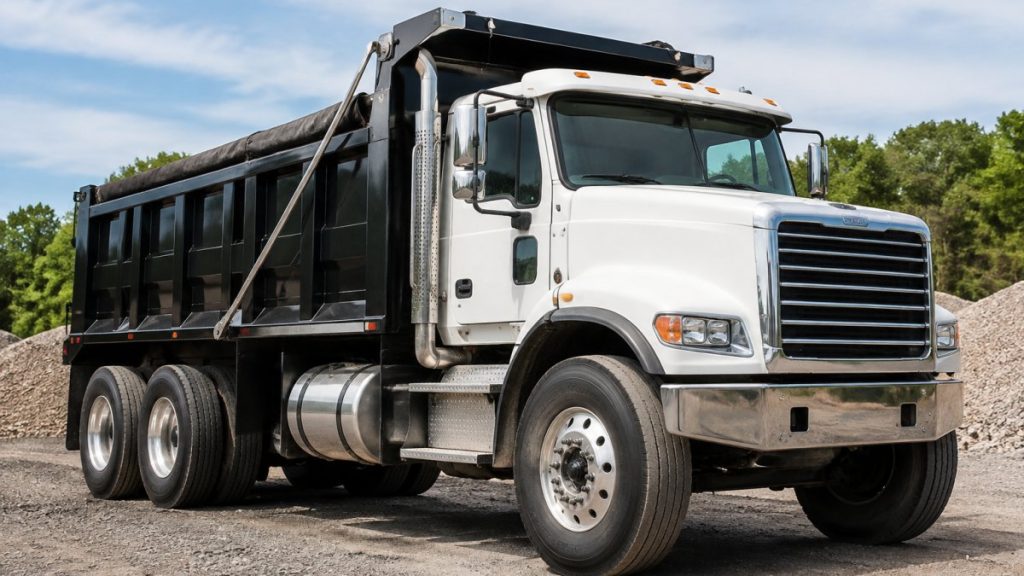
Dump truck capacity is the maximum load a truck can carry, measured in cubic yards of bed volume and tons of payload. A standard full-sized commercial dump truck carries roughly 10 to 16 cubic yards, while smaller trucks handle 5 to 8 cubic yards. Payload equals gross vehicle weight rating minus the truck’s own tare weight.
- Axle configuration sets the legal weight limit before bed size ever matters.
- A tandem axle truck is often quoted at about 12 cubic yards as a working figure.
- Multiply bed volume in cubic yards by material density, then divide by 2,000 to get tons.
- Wet sand is the classic overweight ticket at 3,000 to 3,400 pounds per cubic yard.
- Weigh the first loaded trip at a certified scale to confirm the plan matches reality.
Table of Contents
- Dump Truck Capacity for Hauling Jobs Starts With Two Numbers
- The Dump Truck Capacity Chart: Sizes, Axles, and Bed Volume
- How Many Cubic Yards Can a Dump Truck Carry?
- Dump Truck Capacity in Tons: Payload, Tare Weight, and GVWR
- Dump Truck Capacity by Material: Why Dirt, Gravel, and Sand Load Differently
- Matching Truck Size to the Hauling Job and the Terrain
- Scaling Fleet Capacity Without Straining Cash Flow
- The Top 20 Benefits of Financing Your Fleet With Always Capital
- Frequently Asked Questions
Dump Truck Capacity for Hauling Jobs Starts With Two Numbers
Dump truck capacity for hauling jobs always comes down to two numbers: how much space the bed holds, and how much weight the truck can legally carry. Get either one wrong and a hauling job stalls at the scale house or on the road. According to IBISWorld’s dump truck services industry data, there were 39,610 dump-truck-services businesses in 2026, up 2.6% from 2025.
Always Capital works with hauling businesses every day, and the same question comes up constantly: what will this truck actually carry? Below, we’ll show you how to match bed volume, axle count, and material weight to the job in front of you.
Dump truck capacity is the maximum load a truck can carry, measured in cubic yards of volume and tons of payload. The two figures rarely match, and that gap is where most hauling mistakes happen.
The Dump Truck Capacity Chart: Sizes, Axles, and Bed Volume
A dump truck capacity chart is a quick reference, not a final answer. Published guides give different figures for the same truck class, so treat the chart as a starting point only.
Truck Type | Typical Bed Volume | Typical Payload | Best For |
|---|---|---|---|
Single-axle | 5-8 cubic yards | Lighter loads | Tight sites, small deliveries |
Tandem axle | 10-16 cubic yards | Medium to heavy | Most residential and commercial work |
Tri-axle | Larger bed, heavier rating | Heavy loads | Aggregate runs, road base |
Quad-axle | Largest beds | Heaviest legal loads | High-volume hauling |
Single-Axle to Quad-Axle: What Each Configuration Carries
Axle configuration sets the legal weight limit before bed size ever matters. A single-axle truck fits tight driveways and small sites. A tandem axle handles the bulk of everyday hauling. Tri-axle and quad-axle trucks carry more per trip but need wider access and heavier-duty roads.
The rule is simple: more axles spread the load, and spreading the load raises the legal ceiling.
How Many Cubic Yards Can a Dump Truck Carry?
A standard full-sized commercial dump truck carries roughly 10 to 16 cubic yards, while smaller trucks handle 5 to 8 cubic yards. A tandem truck is often quoted at about 12 cubic yards (Rechtien International Trucks capacity guidance).
Volume is the easy half of the process. Measure bed length, width, and height to determine the total cubic yards.
- Small trucks: 5 to 8 cubic yards
- Full-sized commercial trucks: 10 to 16 cubic yards
- Tandem axle: about 12 cubic yards as a working figure
That number tells you how much space you have. It says nothing about how much weight the truck can handle.
Dump Truck Capacity in Tons: Payload, Tare Weight, and GVWR
Dump truck capacity in tons is payload, and payload equals gross vehicle weight rating minus the truck’s own weight. Gross vehicle weight rating (GVWR) is the most the loaded truck can legally weigh. Tare weight is the empty truck.
Subtract the truck’s tare weight from its GVWR to find its payload, then compare that figure against the weight of the material you plan to load based on bed volume and material density.
A Worked Example: Loading a Tandem Axle Truck With Gravel
Check the weight limits before the loader ever moves. Compare the truck’s payload capacity to the material weight for the volume you plan to load. When volume and weight disagree, weight wins every time.
Dump Truck Capacity by Material: Why Dirt, Gravel, and Sand Load Differently
Dump truck capacity by material changes because density changes. A cubic yard of dry topsoil weighs far less than a cubic yard of wet sand or crushed aggregate. Convert bed volume into weight using the material’s density, then compare that weight to payload capacity.
Typical Material Densities in Pounds per Cubic Yard
Use these working figures as planning starting points. Actual density shifts with moisture, compaction, and gradation, so confirm with the supplier or a scale ticket on the first load of any new material.
Material | Approximate Density (lb per cubic yard) | What Usually Limits the Load |
|---|---|---|
Dry topsoil | 2,000 to 2,400 | Volume, bed fills before weight limit |
Loam / screened fill dirt | 2,400 to 2,700 | Volume on small trucks, weight on large beds |
Wet clay | 2,900 to 3,300 | Weight, heavy even at partial fill |
Crushed stone / aggregate | 2,700 to 3,000 | Weight, bed rarely fills |
Gravel (dry, uniform) | 2,800 to 3,100 | Weight |
Sand (dry) | 2,600 to 3,000 | Weight |
Sand (wet) | 3,000 to 3,400 | Weight, the classic overweight ticket |
Asphalt millings | 2,700 to 3,000 | Weight |
Construction debris (mixed) | 1,500 to 3,000+ | Highly variable, weigh the first load |
Mulch / wood chips | 600 to 900 | Volume, weight limit is rarely reached |
Converting Bed Volume to Load Weight
Multiply the bed volume in cubic yards by the material density, then divide by 2,000 to get tons. Compare the result against the truck’s payload ceiling to see whether weight or volume limits the load. With heavy aggregate, the truck can run out of weight long before it runs out of space; with light material, volume is usually the binding constraint.
Moisture, Compaction, and Loading Conditions
Moisture can significantly change a material’s weight, and compaction can make a bed look full while it is already overloaded.
Loading technique also changes the outcome. A loader operator who heaps the center of the bed can add several tons beyond a level load without the driver noticing. Load to the weight limit, not the visual one, and spot-check the first load of each material on a scale.
Matching Material to Truck Class
- Single-axle trucks: best suited to light materials like mulch, dry topsoil, and debris where volume limits the load; heavy aggregate fills the payload ceiling with only a few yards.
- Tandem axle trucks: the workhorse for mixed hauling; a tandem handles most dirt, gravel, and sand jobs when the operator loads by weight rather than by bed height.
- Tri-axle and quad-axle trucks: built for heavy aggregate runs where every legal ton per trip matters; these configurations earn their keep on crushed stone, road base, and asphalt millings.
If you are weighing new versus used iron for the material mix you haul, this comparison of new and used dump trucks covers purchase price, maintenance, warranty, and resale value. Haulers planning to add capacity for aggregate work can review dump truck financing for fleet growth and fast-approval dump truck financing options with flexible terms, while Always Capital offers heavy equipment loans, equipment leasing, and dump truck financing structured around the actual work the truck will do.
Matching Truck Size to the Hauling Job and the Terrain
Truck selection starts with the job, not the dealership lot. The right question is not “what is the biggest truck I can buy” but “how many legal tons can this truck deliver per hour on this site, and what does that do to the job schedule.”
Start With the Job, Not the Truck
Before choosing a truck class, write down four numbers: total material to move (in cubic yards and in tons), the haul distance one way, the site access width and turning radius, and the hours available per day. Those four figures decide the truck class faster than any chart.
- Tight residential sites and narrow driveways: a single-axle truck with a 5- to 8-cubic-yard bed fits where a tandem cannot turn. The trade-off is more trips.
- Most commercial and residential hauling: a tandem axle with a 10- to 16-cubic-yard bed is the workhorse, balancing payload per trip against access.
- High-volume aggregate and road base: a tri-axle or quad-axle truck pays off when the haul distance is long and the material is heavy, because each extra legal ton per trip multiplies across the day.
Trip-Count Planning: Turning Capacity Into a Schedule
Divide total material tonnage by the legal payload per trip to get the trip count, then divide by the number of trips the truck can complete per hour to estimate hauling hours. Load delays, scale lines, and weather all add time, so build a buffer into the schedule.
Access, Terrain, and Site Conditions
Terrain cuts usable payload because the truck has to stay under its weight rating while still climbing out safely. Soft ground, steep grades, and wet conditions reduce the load a truck can safely carry and the speed it can carry it.
Site access matters just as much as truck size. Measure gate widths, driveway turns, overhead clearance, and the turning radius at the dump point before committing a tri-axle to a residential job.
Verifying Legal Limits Before the First Load
Legal load limits are set by gross vehicle weight rating, axle ratings, and posted road restrictions, and they can vary by state, by route, and sometimes by season. The practical steps are:
- Confirm the truck’s GVWR and each axle rating from the door jamb or registration.
- Check the state’s overweight and permit rules for the routes you plan to run.
- Verify posted bridge and road restrictions on the specific haul route, especially on rural and residential roads.
- Weigh the first loaded trip at a certified scale to confirm the plan matches reality.
Plan loads against the truck’s GVWR and axle ratings, then confirm against the scale on the first trip.
Matching the Truck to the Work Ahead
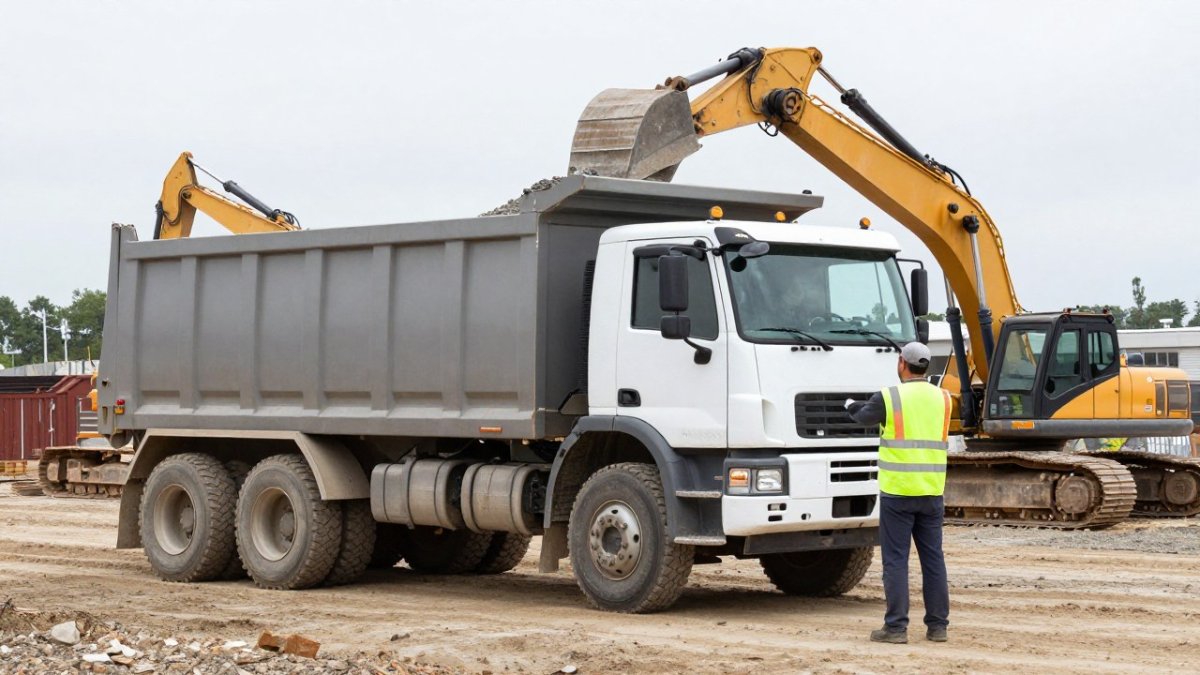
Once the job math is clear, the truck decision usually follows. Business owners weighing credit history should read how credit score and down payment shape an approval, and anyone hesitant to apply can see how dump truck loans with soft credit checks work. Always Capital supports haulers with dump truck financing, heavy equipment loans, equipment leasing, auction financing, and fleet expansion capital, with approvals in as little as two to four hours, up to 100% financing, and soft credit pulls that leave personal and business scores untouched.
Scaling Fleet Capacity Without Straining Cash Flow
Fleet growth is a cash flow problem before it is a truck problem. Adding a truck means a down payment, insurance, and a payment schedule that starts before the new unit earns a dollar.
At Always Capital, the focus is speed and access.
Haulers planning the next unit can review dump truck financing for fleet growth or fast-approval dump truck financing options with flexible terms.
The Top 20 Benefits of Financing Your Fleet With Always Capital
# | Benefit | What It Means for Your Hauling Business |
|---|---|---|
1 | 2 to 4 hour approvals | Bid on jobs without waiting weeks for an answer |
2 | Same-day funding | Get the truck working while the job is still open |
3 | Up to 100% financing | Keep cash in the business instead of a down payment |
4 | Up to $5 million capacity | Scale from one truck to a full fleet |
5 | $500,000 application-only tier | Fund without extensive financial statements |
6 | Soft credit pulls only | Pre-qualify without dinging your credit score |
7 | All credit types accepted | A path forward for challenged credit histories |
8 | Startup-friendly limits | New businesses under two years can access capital |
9 | No age or mileage restrictions | Finance older, high-hour trucks others turn down |
10 | Private-party and auction financing | Buy outside the franchise dealership |
11 | Terms from 24 to 84 months | Match the payment to the life of the asset |
12 | 30, 60, or 90 day deferrals | Let the truck earn before payments begin |
13 | Seasonal payment structures | Align payments with weather-dependent revenue |
14 | Fixed monthly payments | Protect cash flow from surprises |
15 | Asset-backed collateral | The truck itself secures the deal |
16 | No minimum score lockouts | Underwriting weighs asset utility and revenue |
17 | Preserves working capital | Keep cash free for payroll and fuel |
18 | Protects existing bank lines | Leave short-term credit open for operations |
19 | Dedicated equipment expertise | Work with specialists who know truck values |
20 | Transparent terms and five-star service | No hidden fees, no surprises |
Financing for older equipment and trucks is a core part of what Always Capital does, alongside heavy equipment loans, equipment leasing, commercial truck financing, auction financing, and same-day loan approvals. Always Capital also offers business credit lines, working capital loans, term loans, and bad credit loans for equipment. Haulers adding capacity can explore daycab financing, box truck financing, and fleet expansion capital.
The hardest part of fleet growth is not finding the truck. It is getting capital deployed before the opportunity closes. Always Capital answers that with approvals in two to four hours, up to 100% financing, soft credit pulls, and deferred payment plans built around real cash flow. Get pre-approved for heavy equipment financing with Always Capital and put the next truck on the road.
Frequently Asked Questions
What is the typical hauling capacity of a dump truck?
Most full-sized commercial dump trucks carry between 10 and 16 cubic yards of material, while smaller single-axle trucks handle roughly 5 to 8 cubic yards. The real limit is whichever comes first: the bed fills up or the scale reads over the legal weight limit. Always check the specific truck’s plate and the load’s density before you plan a run.
How do you calculate dump truck capacity for a hauling job?
Multiply bed length by width by depth in feet, divide by 27 to get cubic yards, then multiply by the material’s density in tons per cubic yard. Compare that figure to the truck’s payload rating, which is GVWR minus tare weight. The lower number wins.
How does material type affect dump truck payload?
Material density changes everything. A bed that holds 12 cubic yards of mulch may only legally hold 7 or 8 cubic yards of wet gravel before hitting the weight limit. Dry topsoil, sand, aggregate, and crushed stone all sit at different densities, and moisture can push them higher. Weigh your first load of any new material at a certified scale, then use that number to plan later loads.
Can I get financing for a dump truck with challenged credit?
Yes. Always Capital works with all credit profiles, from pristine A+ down to deeply challenged histories, and uses soft credit pulls so pre-qualifying does not affect your scores. Application-only approvals reach up to $500,000 without extensive financial statements, with decisions in as little as two to four hours. Used trucks, private-party purchases, and auction equipment can all be financed.
